
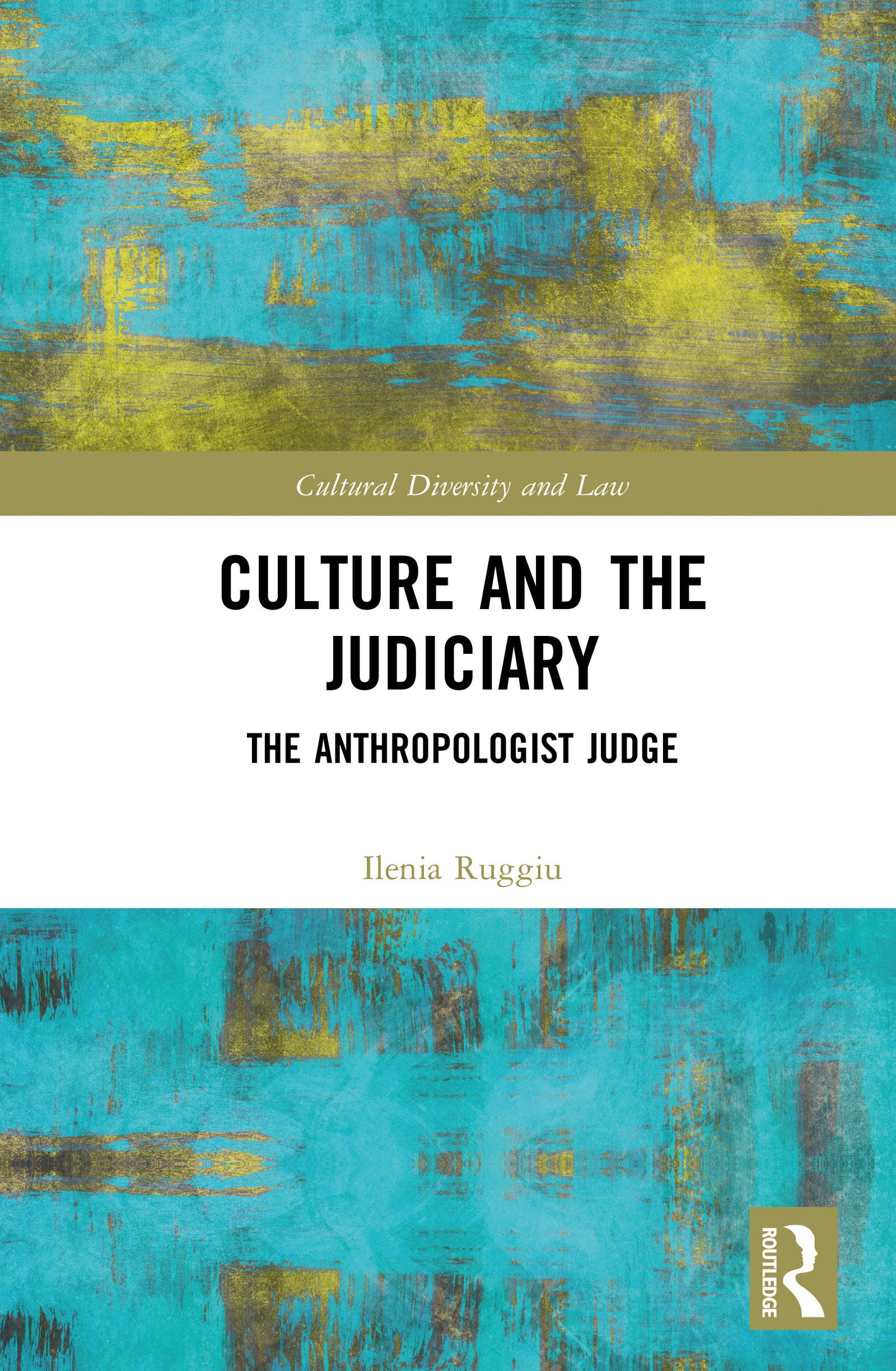
How can jurists resolve multicultural conflicts? Which kind of questions should judges ask when culture enters the horizon of the law? Are they then called to become anthropologists? Through the analysis of hundreds of cases produced through decades of multicultural jurisprudence, this book reconstructs the constitutional and anthropological narratives and the legal techniques used by Western judges to face the challenges posed by multiculturalism: from Japanese parent–child suicide to the burqa, from Jewish circumcision to Roma begging, from kissing a son on his genitals to the claim of indigenous people to fish salmon in natural parks, the book brings the reader into a fascinating journey at the crux of the encounter between the relativism of anthropology and the endeavor toward a democratic coexistence pursued by the law. After identifying the recurrent themes or topoi used by judges and lawyers, this book critically analyzes them, evaluates their persuasive power and suggests a "cultural test" that gathers together the crucial questions to be answered when resolving a multicultural dispute. The "cultural test" is a matrix that guides the judge, lawyers and legislatures across the intricate paths of multiculturalism, to assure a relational dialogue between the law and anthropology.
Betal nemt med kort, Klarna, Apple Pay eller Google Pay. Ikke tilfreds? Du har altid 14 dages fortrydelsesret. Læs mere i vores vilkår. Har du spørgsmål, så send os en mail på hello@memmo.org.
Memmo gør det nemmere at studere – uanset hvor du er i verden. Hos os samler du dine kursusbøger og smarte studieværktøjer ét sted: resuméer, quizzer, podcasts og flashcards. Og så er der Ted, din studieven, der svarer på alt, du undrer dig over. Over 50 000 studerende studerer allerede her – bygget til at hjælpe dig med at lære hurtigere og stresse mindre.