
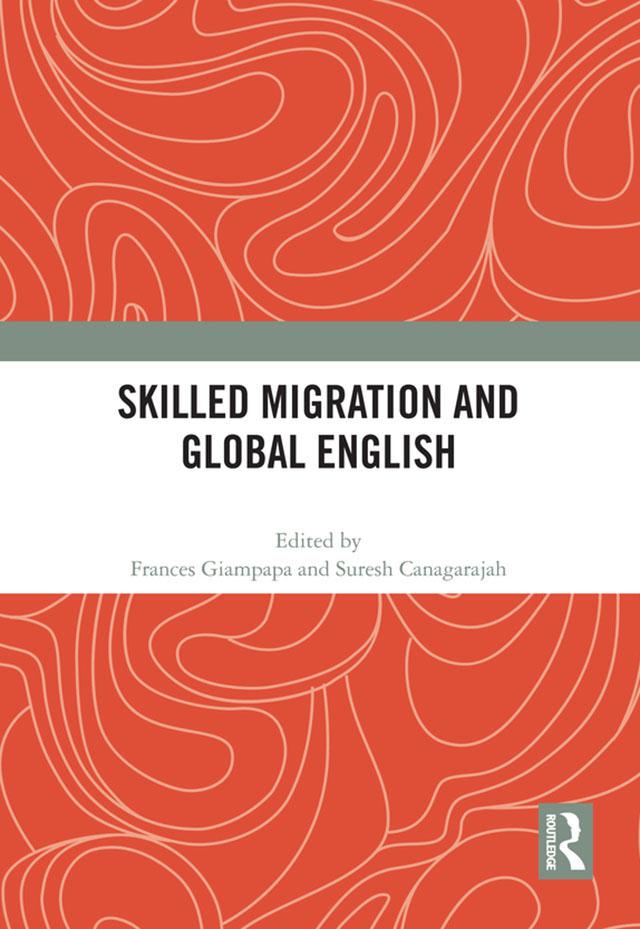
The impact of globalisation is increasingly evident through both mass migration and the social, political, and economic changes that have produced new and growing social divides. The increased mobility and the opening of national borders that have arisen as part of these changes has also meant a rise in the diversification of migration (superdiversity) in all its forms. The multi-sited flows of people have also led to the flow of knowledge, culture, and languages. English – as a global language – has taken on a prominent role in the neoliberal discourses of commodification, value and distinction, and the role of language in the reproduction of social inequalities.
This edited volume explores a range of issues related to the role of language. In particular, it addresses competency in English and multilingualism, both of which facilitate success for skilled migrants in the workplace and enable them to contribute to development efforts in their home communities. In more general terms, the book looks at the communicative competencies and language resources which skilled migrants require in order to engage productively in professional and development endeavours. It examines the notion that English is the linguistic capital for skilled migration, given its global status in higher education, development, and professional communication. This book was originally published as a special issue of Globalisation, Societies and Education.
Betal nemt med kort, Klarna, Apple Pay eller Google Pay. Ikke tilfreds? Du har altid 14 dages fortrydelsesret. Læs mere i vores vilkår. Har du spørgsmål, så send os en mail på hello@memmo.org.
Memmo gør det nemmere at studere – uanset hvor du er i verden. Hos os samler du dine kursusbøger og smarte studieværktøjer ét sted: resuméer, quizzer, podcasts og flashcards. Og så er der Ted, din studieven, der svarer på alt, du undrer dig over. Over 50 000 studerende studerer allerede her – bygget til at hjælpe dig med at lære hurtigere og stresse mindre.