
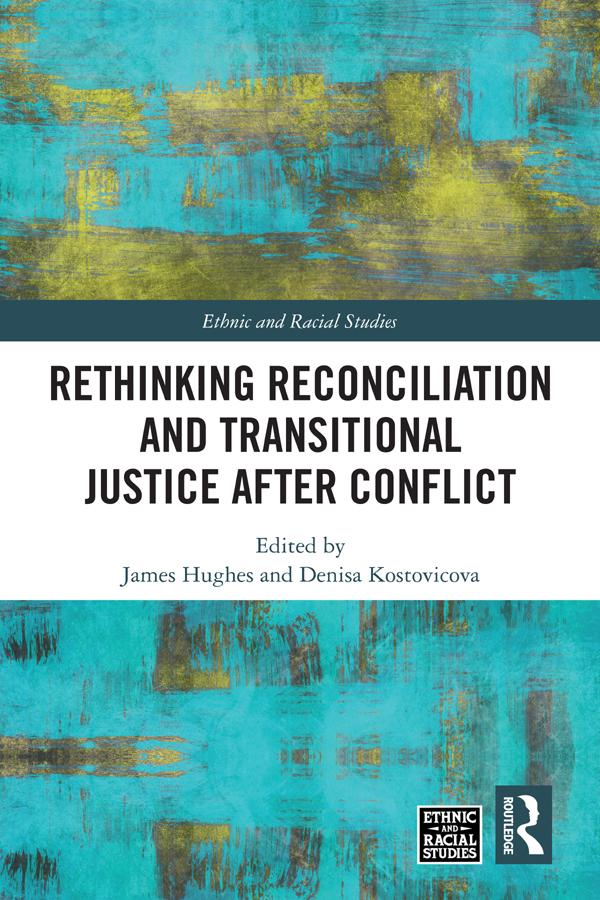
The concepts of reconciliation and transitional justice are inextricably linked in a new body of normative meta-theory underpinned by claims related to their effects in managing the transformation of deeply divided societies to a more stable and more democratic basis. This edited volume is dedicated to a critical re-examination of the key premises on which the debates in this field pivot. The contributions problematise core concepts, such as victimhood, accountability, justice and reconciliation itself; and provide a comparative perspective on the ethnic, ideological, racial and structural divisions to understand their rootedness in local contexts and to evaluate how they shape and constrain moving beyond conflict. With its systematic empirical analysis of a geographic and historic range of conflicts involving ethnic and racial groups, the volume furthers our grasp of contradictions often involved in transitional justice scholarship and practice and how they may undermine the very goals of peace, stability and reconciliation that they seek to promote.
This book was originally published as a special issue of Ethnic and Racial Studies.
Betal nemt med kort, Klarna, Apple Pay eller Google Pay. Ikke tilfreds? Du har altid 14 dages fortrydelsesret. Læs mere i vores vilkår. Har du spørgsmål, så send os en mail på hello@memmo.org.
Memmo gør det nemmere at studere – uanset hvor du er i verden. Hos os samler du dine kursusbøger og smarte studieværktøjer ét sted: resuméer, quizzer, podcasts og flashcards. Og så er der Ted, din studieven, der svarer på alt, du undrer dig over. Over 50 000 studerende studerer allerede her – bygget til at hjælpe dig med at lære hurtigere og stresse mindre.