
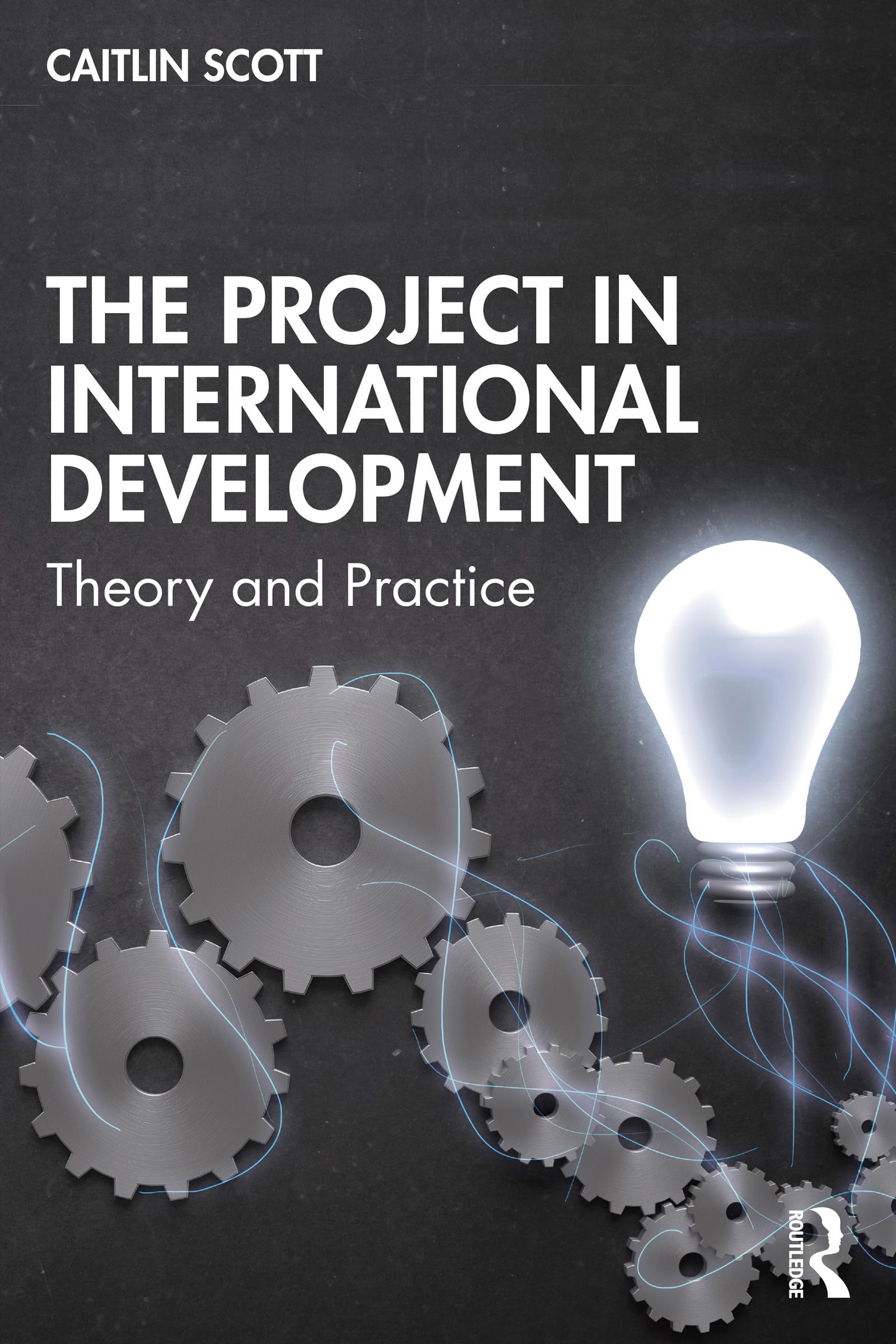
The project has become fundamental to international development and humanitarian practice, playing a key role in defining objectives, funding streams and ultimately determining what success looks like. This book provides a much-needed overview of the project in international development practice, guiding the reader through the latest theoretical debates, and exploring the core tools and stages of planning and design.
The book starts with an overview of the role of the project through development history, before taking the reader through the stages of a standard project management cycle. Each chapter introduces the stage, the most common tools used to support that phase of planning, and the critical debates that exist around it, with examples to illustrate discussions from around the world and a range of development fields. The book explores the challenges to working effectively in contemporary aid contexts, including the role of politics and the pressures wrought by the demands to demonstrate quantified results. Throughout, the book argues for the need to see the project as a form of governmentality that arranges resources and people in time and space, and that extends neoliberal forms of managerial control in the sector.
Ending with suggestions for innovation, this book is perfect for anyone looking for an accessible and engaging guide to the international development project, whether student, researcher or practitioner.
Betal nemt med kort, Klarna, Apple Pay eller Google Pay. Ikke tilfreds? Du har altid 14 dages fortrydelsesret. Læs mere i vores vilkår. Har du spørgsmål, så send os en mail på hello@memmo.org.
Memmo gør det nemmere at studere – uanset hvor du er i verden. Hos os samler du dine kursusbøger og smarte studieværktøjer ét sted: resuméer, quizzer, podcasts og flashcards. Og så er der Ted, din studieven, der svarer på alt, du undrer dig over. Over 50 000 studerende studerer allerede her – bygget til at hjælpe dig med at lære hurtigere og stresse mindre.