
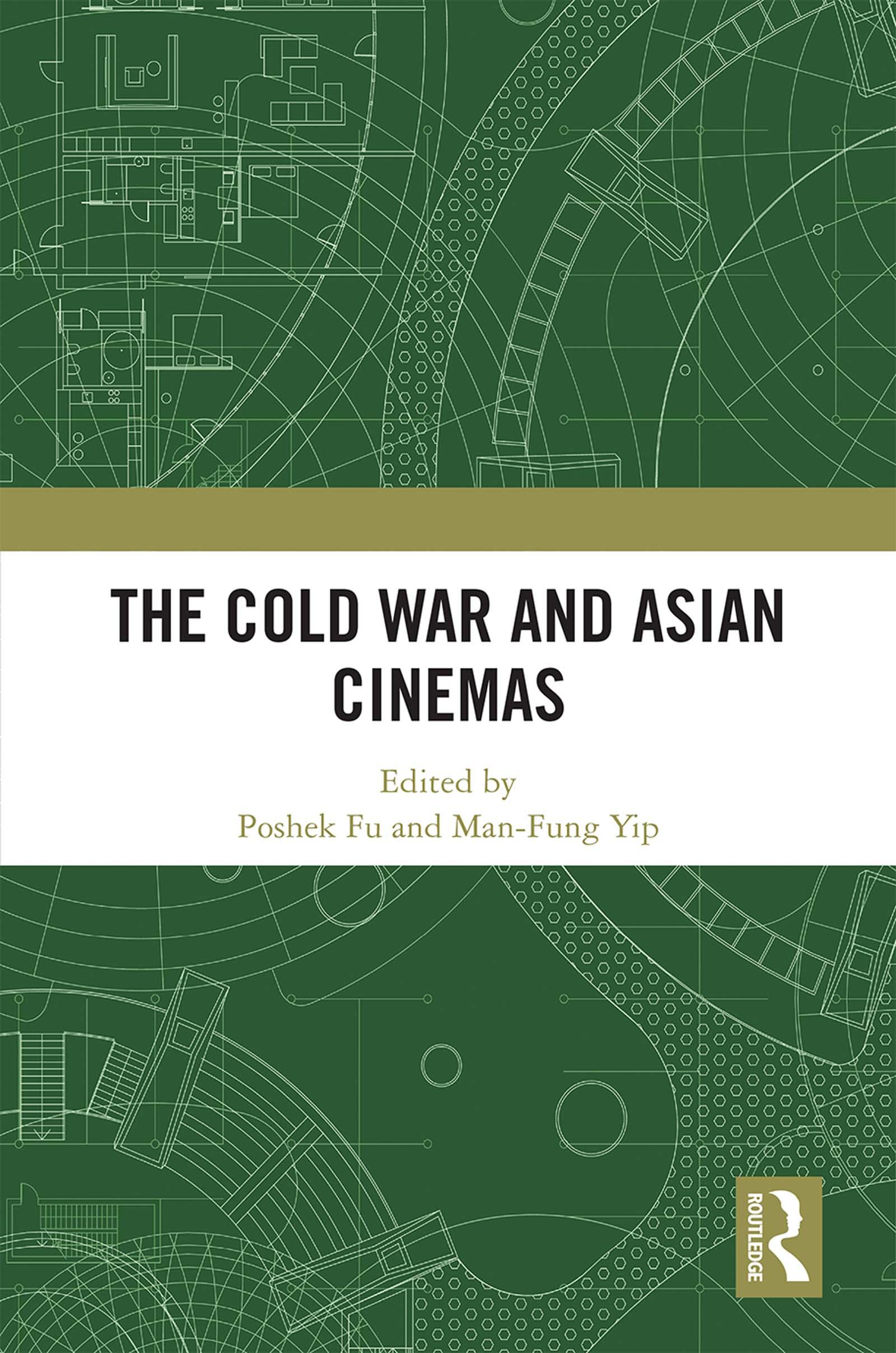
This book offers an interdisciplinary, historically grounded study of Asian cinemas’ complex responses to the Cold War conflict. It situates the global ideological rivalry within regional and local political, social, and cultural processes, while offering a transnational and cross-regional focus.
This volume makes a major contribution to constructing a cultural and popular cinema history of the global Cold War. Its geographical focus is set on East Asia, Southeast Asia, and South Asia. In adopting such an inclusive approach, it draws attention to the different manifestations and meanings of the connections between the Cold War and cinema across Asian borders. Many essays in the volume have a transnational and cross-regional focus, one that sheds light on Cold War-influenced networks (such as the circulation of socialist films across communist countries) and on the efforts of American agencies (such as the United States Information Service and the Asia Foundation) to establish a transregional infrastructure of "free cinema" to contain the communist influences in Asia.
With its interdisciplinary orientation and broad geographical focus, the book will appeal to scholars and students from a wide variety of fields, including film studies, history (especially the burgeoning field of cultural Cold War studies), Asian studies, and US-Asian cultural relations.
Betal nemt med kort, Klarna, Apple Pay eller Google Pay. Ikke tilfreds? Du har altid 14 dages fortrydelsesret. Læs mere i vores vilkår. Har du spørgsmål, så send os en mail på hello@memmo.org.
Memmo gør det nemmere at studere – uanset hvor du er i verden. Hos os samler du dine kursusbøger og smarte studieværktøjer ét sted: resuméer, quizzer, podcasts og flashcards. Og så er der Ted, din studieven, der svarer på alt, du undrer dig over. Over 50 000 studerende studerer allerede her – bygget til at hjælpe dig med at lære hurtigere og stresse mindre.