
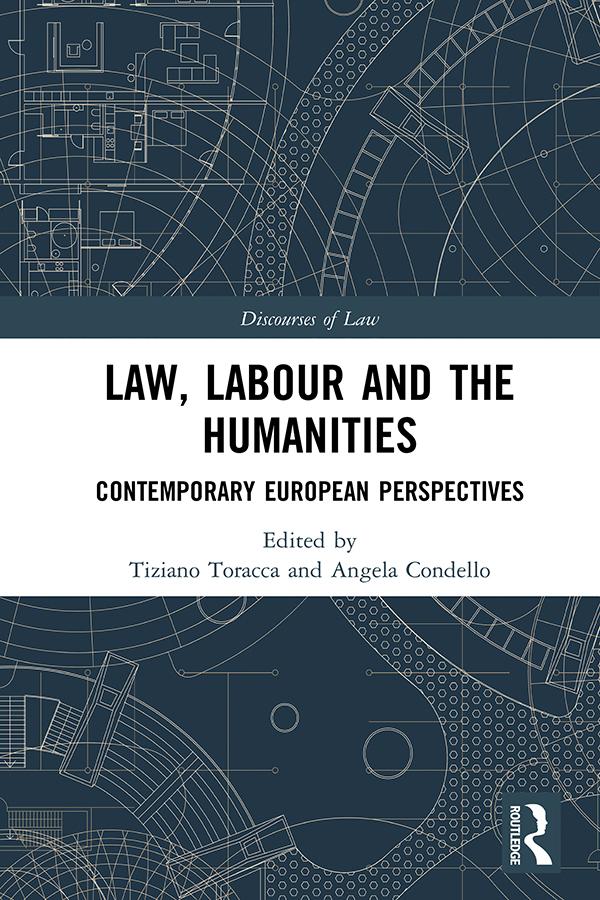
The ontology of work and the economics of value underpin the legal institution, with the existence of modern law predicated upon the subject as labourer.
In contemporary Europe, labour is more than a mere economic relationship. Indeed, labour occupies a central position in human existence: since the industrial revolution, it has been the principal criterion of reciprocal recognition and of universal mobilization. This multi-disciplinary volume analyses labour and its depictions in their interaction with the latest legal, socio-economic, political and artistic tendencies. Addressing such issues as deregulation, flexibility, de-industrialization, the pervasive enlargement of markets, digitization and virtual relationships, social polarisation and migratory fluxes, this volume engages with the existential role played by labour in our lives at the conjunction of law and the humanities.
This book will be of interest to law students, legal philosophers, theoretical philosophers, political philosophers, social and political theorists, labour studies scholars, and literature and film scholars.
Betal nemt med kort, Klarna, Apple Pay eller Google Pay. Ikke tilfreds? Du har altid 14 dages fortrydelsesret. Læs mere i vores vilkår. Har du spørgsmål, så send os en mail på hello@memmo.org.
Memmo gør det nemmere at studere – uanset hvor du er i verden. Hos os samler du dine kursusbøger og smarte studieværktøjer ét sted: resuméer, quizzer, podcasts og flashcards. Og så er der Ted, din studieven, der svarer på alt, du undrer dig over. Over 50 000 studerende studerer allerede her – bygget til at hjælpe dig med at lære hurtigere og stresse mindre.