
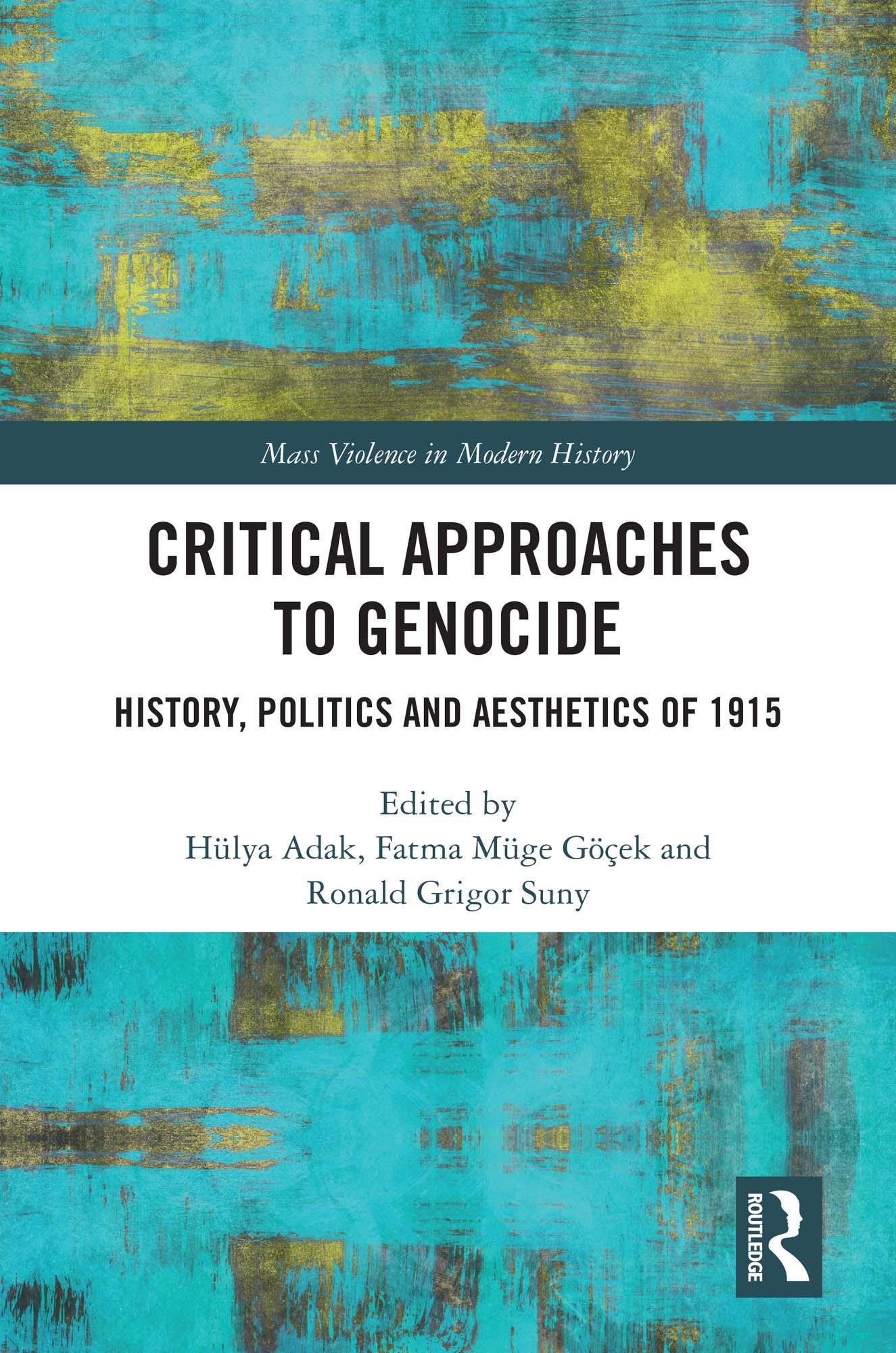
The study of genocide has been appropriate in emphasizing the centrality of the Holocaust; yet, other preceding episodes of mass violence are of great significance. Taking a transnational and transhistorical approach, this volume redresses and replaces the silencing of the Armenian Genocide.
Scholarship relating to the history of denial, comparative approaches in the deportations and killings of Greeks and Armenians during the First World War, and women’s histories during the genocide and post-genocide proliferated during the centennial of the Armenian Genocide in 2015. Collectively, however, these studies have not been enough to offer a comprehensive account of the historical record, documentation, and interpretation of events during 1915-1916. This study seeks to bridge the gap, by unsettling nationalist narratives and addressing areas such as aesthetics, gender, and sexuality. By bringing forward various dimensions of the human experience, including the political, socioeconomic, cultural, social, gendered, and legal contexts within which such silencing occurred, the essays address the methodological silences and processes of selectivity and exclusion in scholarship on the Armenian Genocide.
The interdisciplinary approach makes Critical Approaches to Genocide a useful resource for all students and scholars interested in the Armenian Genocide and memory studies.
Betal nemt med kort, Klarna, Apple Pay eller Google Pay. Ikke tilfreds? Du har altid 14 dages fortrydelsesret. Læs mere i vores vilkår. Har du spørgsmål, så send os en mail på hello@memmo.org.
Memmo gør det nemmere at studere – uanset hvor du er i verden. Hos os samler du dine kursusbøger og smarte studieværktøjer ét sted: resuméer, quizzer, podcasts og flashcards. Og så er der Ted, din studieven, der svarer på alt, du undrer dig over. Over 50 000 studerende studerer allerede her – bygget til at hjælpe dig med at lære hurtigere og stresse mindre.