
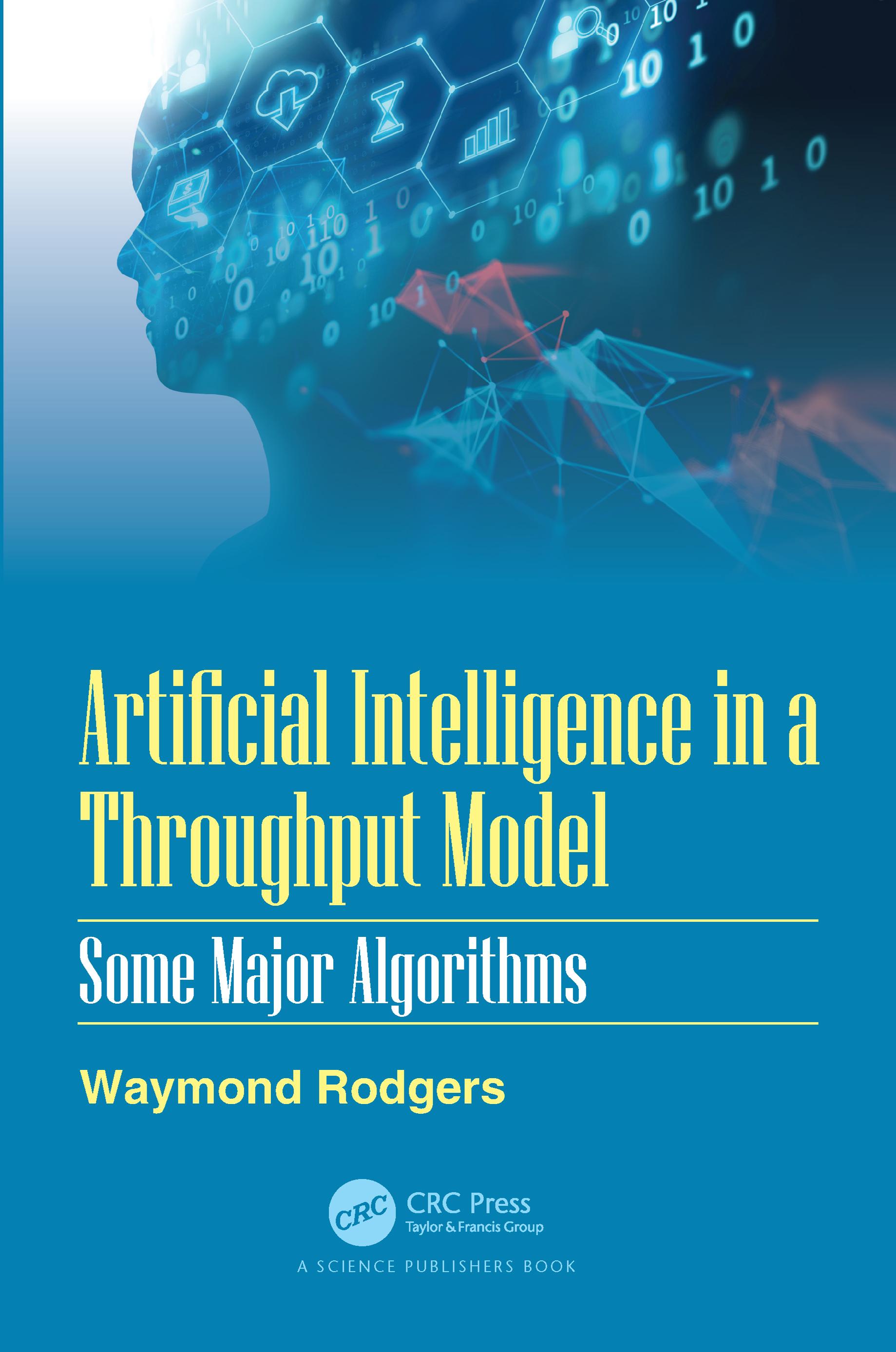
Physical and behavioral biometric technologies such as fingerprinting, facial recognition, voice identification, etc. have enhanced the level of security substantially in recent years. Governments and corporates have employed these technologies to achieve better customer satisfaction. However, biometrics faces major challenges in reducing criminal, terrorist activities and electronic frauds, especially in choosing appropriate decision-making algorithms. To face this challenge, new developments have been made, that amalgamate biometrics with artificial intelligence (AI) in decision-making modeling. Advanced software algorithms of AI, processing information offered by biometric technology, achieve better results. This has led to growth in the biometrics technology industry, and is set to increase the security and internal control operations manifold.
This book provides an overview of the existing biometric technologies, decision-making algorithms and the growth opportunity in biometrics. The book proposes a throughput model, which draws on computer science, economics and psychology to model perceptual, informational sources, judgmental processes and decision choice algorithms. It reviews how biometrics might be applied to reduce risks to individuals and organizations, especially when dealing with digital-based media.
Betal nemt med kort, Klarna, Apple Pay eller Google Pay. Ikke tilfreds? Du har altid 14 dages fortrydelsesret. Læs mere i vores vilkår. Har du spørgsmål, så send os en mail på hello@memmo.org.
Memmo gør det nemmere at studere – uanset hvor du er i verden. Hos os samler du dine kursusbøger og smarte studieværktøjer ét sted: resuméer, quizzer, podcasts og flashcards. Og så er der Ted, din studieven, der svarer på alt, du undrer dig over. Over 50 000 studerende studerer allerede her – bygget til at hjælpe dig med at lære hurtigere og stresse mindre.