
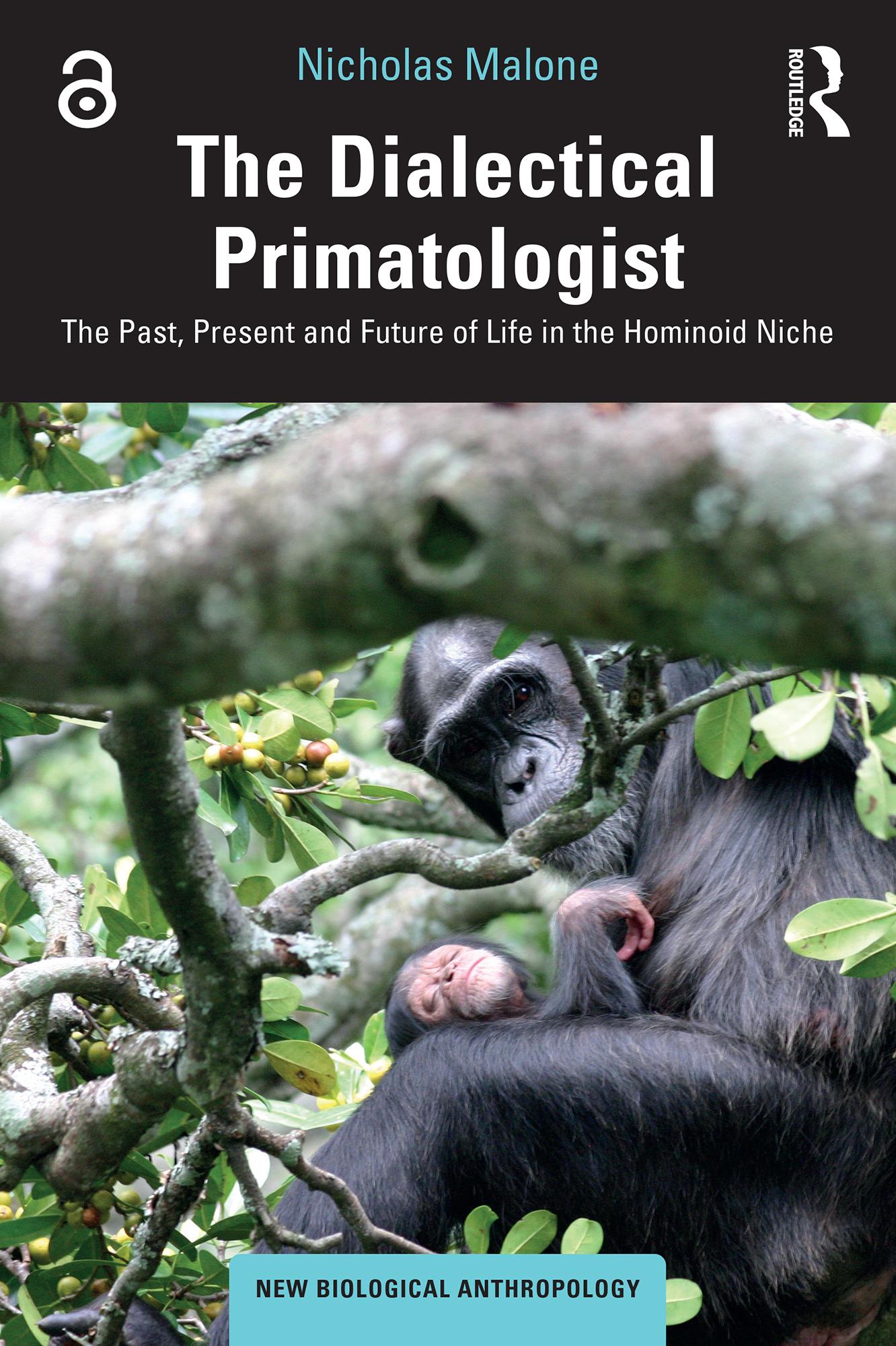
The Dialectical Primatologist identifies the essential parameters vital for the continued coexistence of hominoids (apes and humans), synthesising primate research and conservation in order to develop culturally compelling conservation strategies required for the facilitation of hominoid coexistence.
As unsustainable human activities threaten many primate species with extinction, effective conservation strategies for endangered primates will depend upon our understanding of behavioural response to human-modified habitats. This is especially true for the apes, who are arguably our most powerful connection to the natural world. Recognising the inseparability of the natural and the social, the dialectical approach in this book highlights the heterogeneity and complexity of ecological relationships. Malone stresses that ape conservation requires a synthesis of nature and culture that recognises their inseparability in ecological relationships that are both biophysically and socially formed, and seeks to identify the pathways that lead to either hominoid coexistence or, alternatively, extinction.
This book will be of keen interest to academics in biological anthropology, primatology, environmental anthropology, conservation and human–animal studies.
The Open Access version of this book, available at http://www.taylorfrancis.com, has been made available under a Creative Commons Attribution-Non Commercial-No Derivatives (CC-BY-NC-ND) 4.0 license.
Betal nemt med kort, Klarna, Apple Pay eller Google Pay. Ikke tilfreds? Du har altid 14 dages fortrydelsesret. Læs mere i vores vilkår. Har du spørgsmål, så send os en mail på hello@memmo.org.
Memmo gør det nemmere at studere – uanset hvor du er i verden. Hos os samler du dine kursusbøger og smarte studieværktøjer ét sted: resuméer, quizzer, podcasts og flashcards. Og så er der Ted, din studieven, der svarer på alt, du undrer dig over. Over 50 000 studerende studerer allerede her – bygget til at hjælpe dig med at lære hurtigere og stresse mindre.