
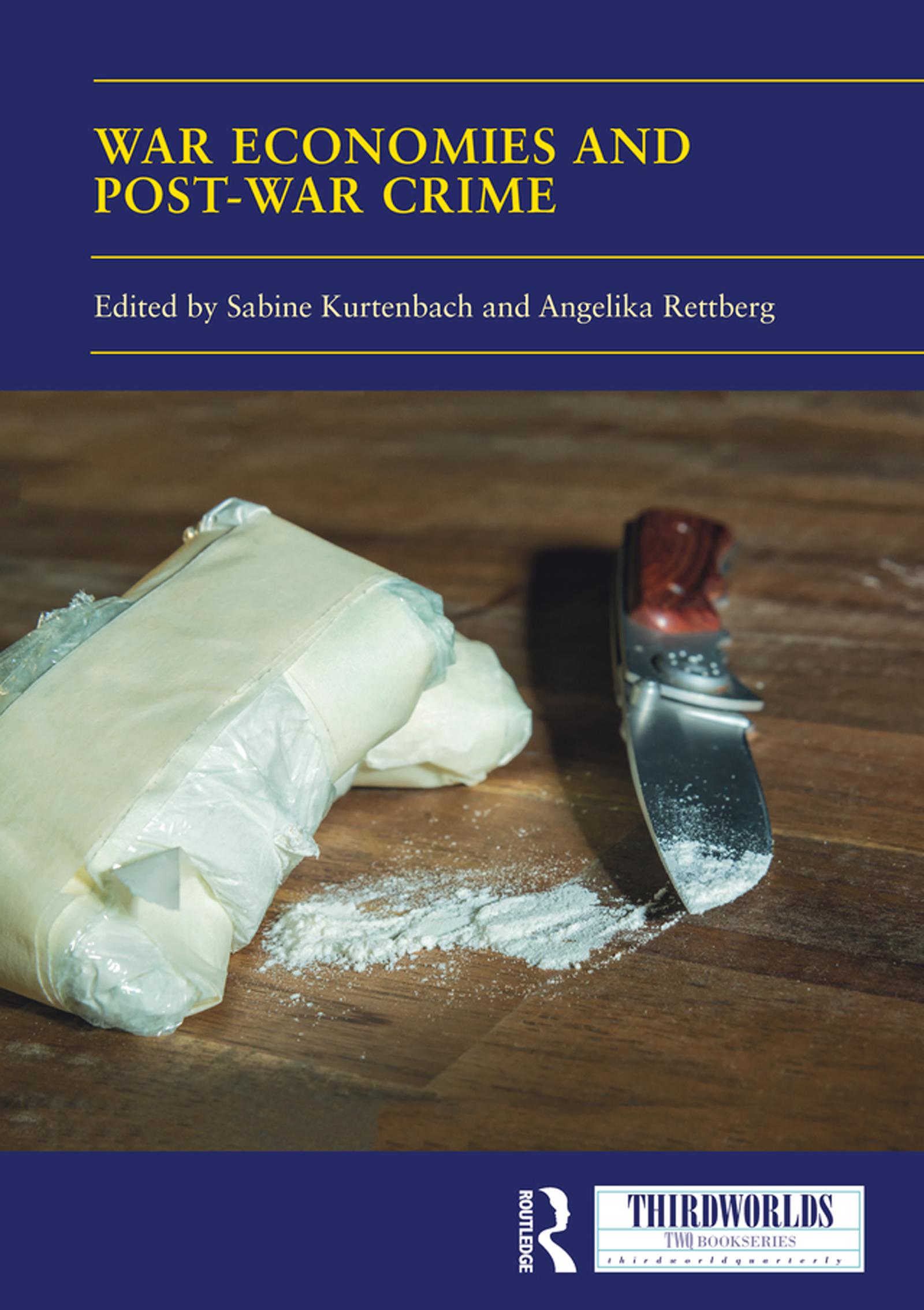
Even when armed conflicts formally end, the transition to peace is not clear-cut. This comprehensive volume explores the mounting evidence which suggests that it is rather ‘unlikely to see a clean break from violence to consent, from theft to production, from repression to democracy, or from impunity to accountability’. The authors analyse the complex endeavour of transitioning out of war, studying how it is often interrelated with other transformations such as changes in the political regime (democratisation) and in the economy (opening of markets to globalisation). They explore how, in the same way as wars and conflicts reflect the societies they befall, post-war orders may replicate and perpetuate some of the drivers of war-related violence, such as high levels of instability, institutional fragility, corruption, and inequality. This book thus suggests that, even in the absence of a formal relapse into war and the re-mobilisation of former insurgents, many transitional contexts are marked by the steady and ongoing reconfiguration of criminal and illegal groups and practices.
This book will be of great interest to students and researchers of political science and peace studies. It was originally published as an online special issue of Third World Thematics.
Betal nemt med kort, Klarna, Apple Pay eller Google Pay. Ikke tilfreds? Du har altid 14 dages fortrydelsesret. Læs mere i vores vilkår. Har du spørgsmål, så send os en mail på hello@memmo.org.
Memmo gør det nemmere at studere – uanset hvor du er i verden. Hos os samler du dine kursusbøger og smarte studieværktøjer ét sted: resuméer, quizzer, podcasts og flashcards. Og så er der Ted, din studieven, der svarer på alt, du undrer dig over. Over 50 000 studerende studerer allerede her – bygget til at hjælpe dig med at lære hurtigere og stresse mindre.