
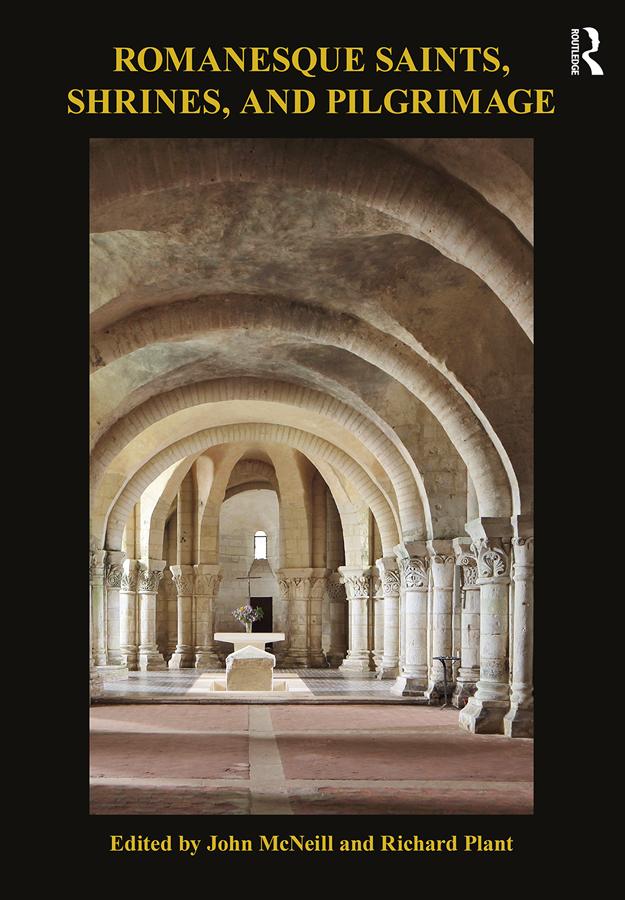
The 23 chapters in this volume explore the material culture of sanctity in Latin Europe and the Mediterranean between c. 1000 and c. 1220, with a focus on the ways in which saints and relics were enshrined, celebrated, and displayed.
Reliquary cults were particularly important during the Romanesque period, both as a means of affirming or promoting identity and as a conduit for the divine. This book covers the geography of sainthood, the development of spaces for reliquary display, the distribution of saints across cities, the use of reliquaries to draw attention to the attributes, and the virtues or miracle-working character of particular saints. Individual essays range from case studies on Verona, Hildesheim, Trondheim and Limoges, the mausoleum of Lazarus at Autun, and the patronage of Mathilda of Canossa, to reflections on local pilgrimage, the deployment of saints as physical protectors, the use of imagery where possession of a saint was disputed, island sanctuaries, and the role of Templars and Hospitallers in the promotion of relics from the Holy Land.
This book will serve historians and archaeologists studying the Romanesque period, and those interested in material culture and religious practice in Latin Europe and the Mediterranean c.1000–c.1220.
Betal nemt med kort, Klarna, Apple Pay eller Google Pay. Ikke tilfreds? Du har altid 14 dages fortrydelsesret. Læs mere i vores vilkår. Har du spørgsmål, så send os en mail på hello@memmo.org.
Memmo gør det nemmere at studere – uanset hvor du er i verden. Hos os samler du dine kursusbøger og smarte studieværktøjer ét sted: resuméer, quizzer, podcasts og flashcards. Og så er der Ted, din studieven, der svarer på alt, du undrer dig over. Over 50 000 studerende studerer allerede her – bygget til at hjælpe dig med at lære hurtigere og stresse mindre.