
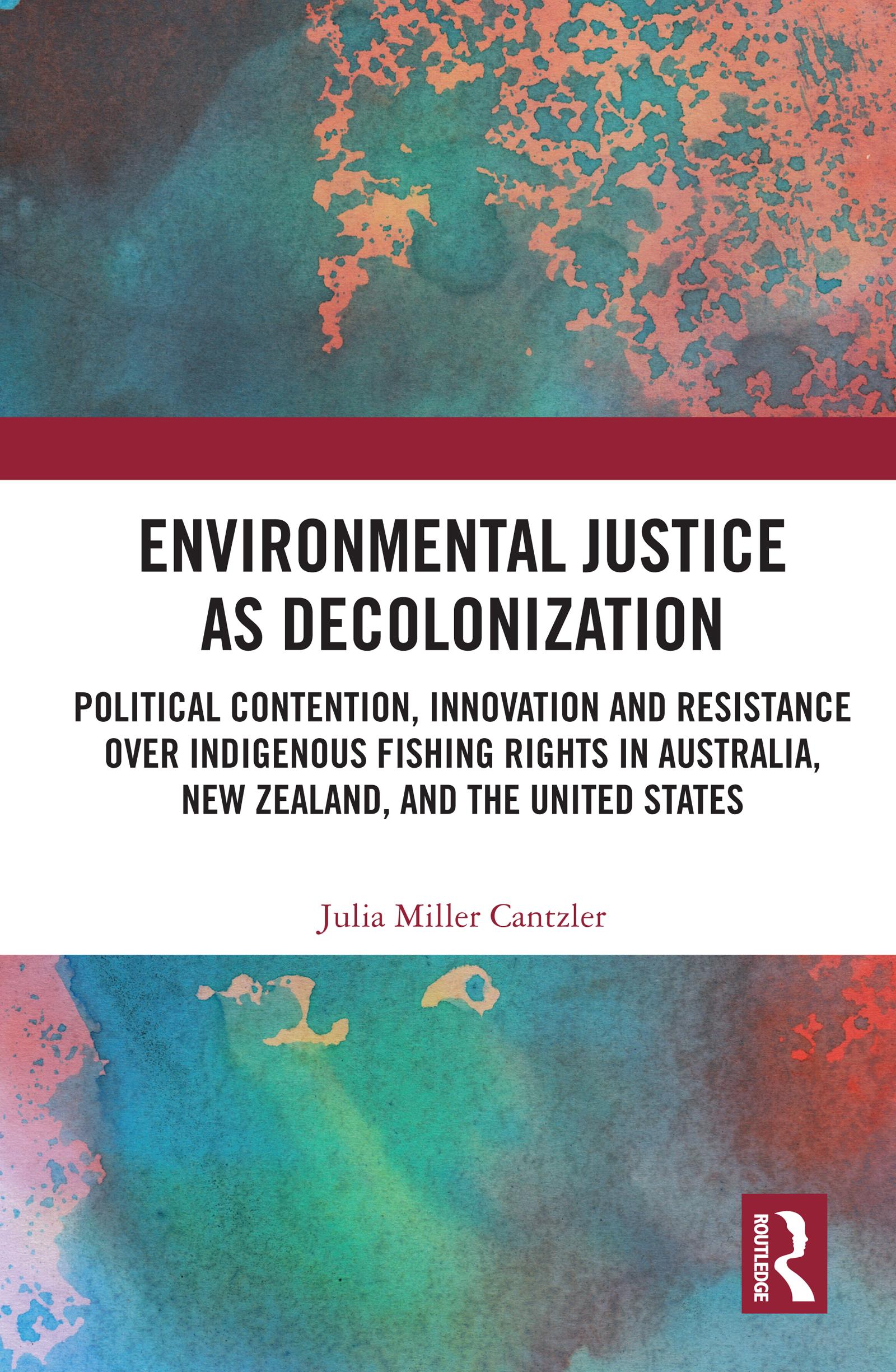
This book corrects the tendency in scholarly work to leave Indigenous peoples on the margins of discussions of environmental inequality by situating them as central activists in struggles to achieve environmental justice. Drawing from archival and interview data, it examines and compares the historical and contemporary processes through which Indigenous fishing rights have been negotiated in the United States, Australia and New Zealand, where three unique patterns have emerged and persist. It thus reveals the agential dynamics and the structural constraints that have resulted in varying degrees of success for Indigenous communities who are struggling to define the terms of their rights to access traditionally harvested fisheries, while also gaining economic stability through commercial fishing enterprises. Presenting rich narratives of conquest and resistance, domination and resilience, and marginalization and revitalization, the author uncovers the fundamentally cultural, political and ecological dynamics of colonization and explores the key mechanisms through which Indigenous assertions of rights to natural resources can systematically transform enduring political and cultural vestiges of colonization. A study of environmental justice as a fundamental ingredient in broader processes of decolonization, Environmental Justice as Decolonization will appeal to scholars of sociology, anthropology, environmental studies, law and Indigenous studies.
Betal nemt med kort, Klarna, Apple Pay eller Google Pay. Ikke tilfreds? Du har altid 14 dages fortrydelsesret. Læs mere i vores vilkår. Har du spørgsmål, så send os en mail på hello@memmo.org.
Memmo gør det nemmere at studere – uanset hvor du er i verden. Hos os samler du dine kursusbøger og smarte studieværktøjer ét sted: resuméer, quizzer, podcasts og flashcards. Og så er der Ted, din studieven, der svarer på alt, du undrer dig over. Over 50 000 studerende studerer allerede her – bygget til at hjælpe dig med at lære hurtigere og stresse mindre.