
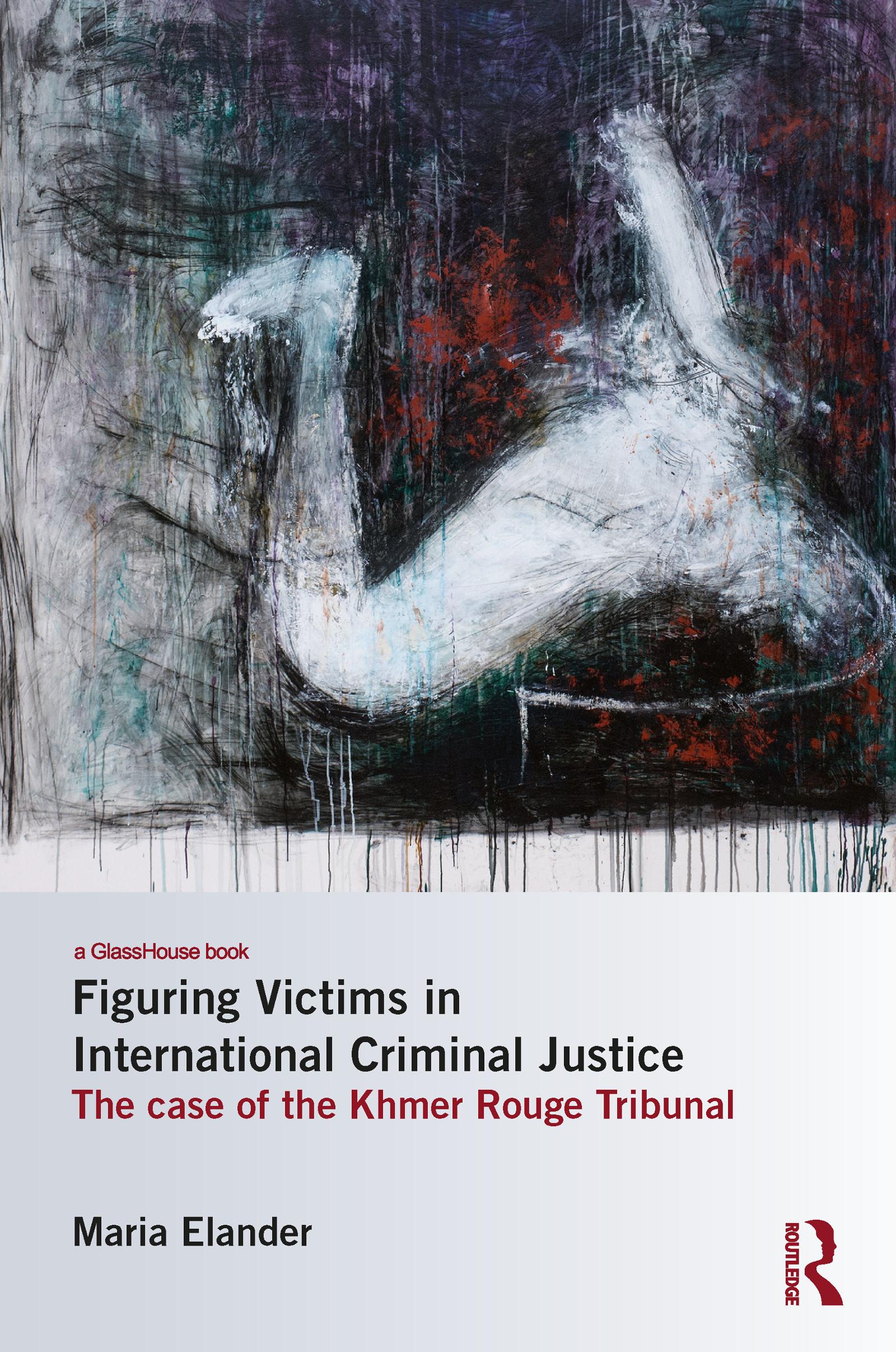
Most discourses on victims in international criminal justice take the subject of victims for granted, as an identity and category existing exogenously to the judicial process. This book takes a different approach. Through a close reading of the institutional practices of one particular court, it demonstrates how court practices produce the subjectivity of the victim, a subjectivity that is profoundly of law and endogenous to the enterprise of international criminal justice. Furthermore, by situating these figurations within the larger aspirations of the court, the book shows how victims have come to constitute and represent the link between international criminal law and the enterprise of transitional justice. The book takes as its primary example the Extraordinary Chambers in the Courts of Cambodia (ECCC), or the Khmer Rouge Tribunal as it is also called. Focusing on the representation of victims in crimes against humanity, victim participation and photographic images, the book engages with a range of debates and scholarship in law, feminist theory and cultural legal theory. Furthermore, by paying attention to a broader range of institutional practices, Figuring Victims makes an innovative scholarly contribution to the debates on the roles and purposes of international criminal justice.
Betal nemt med kort, Klarna, Apple Pay eller Google Pay. Ikke tilfreds? Du har altid 14 dages fortrydelsesret. Læs mere i vores vilkår. Har du spørgsmål, så send os en mail på hello@memmo.org.
Memmo gør det nemmere at studere – uanset hvor du er i verden. Hos os samler du dine kursusbøger og smarte studieværktøjer ét sted: resuméer, quizzer, podcasts og flashcards. Og så er der Ted, din studieven, der svarer på alt, du undrer dig over. Over 50 000 studerende studerer allerede her – bygget til at hjælpe dig med at lære hurtigere og stresse mindre.