
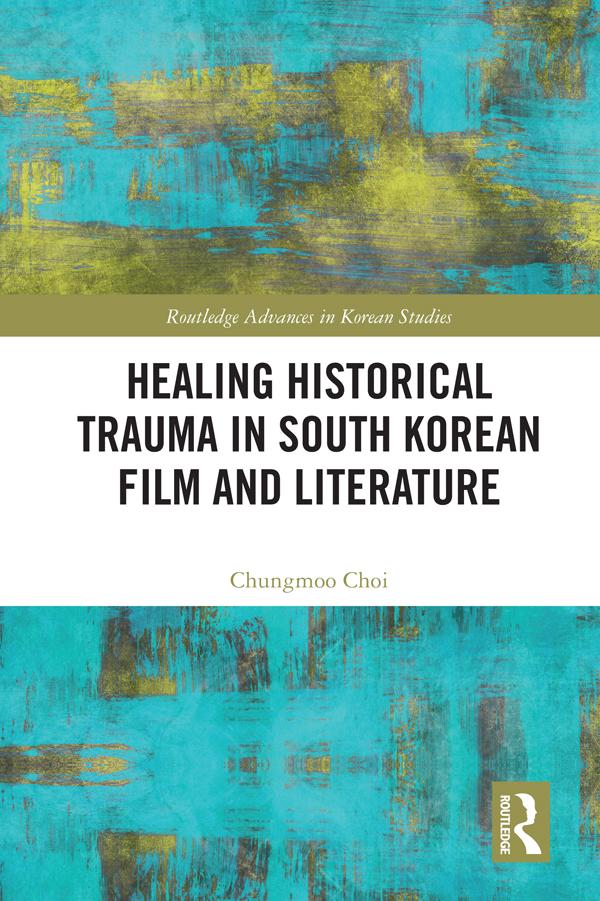
Through South Korean filmic and literary texts, this book explores affect and ethics in the healing of historical trauma, as alternatives to the measures of transitional justice in want of national unity.
Historians and legal practitioners who deal with transitional justice agree that the relationship between historiography and justice seeking is contested: this book reckons with this question of how much truth-telling from a violent past will lead to healing, forgiving, forgetting and finally overcoming resentment. Nuanced interpretations of South Korean filmic and literary texts are featured, including Park Chan-wook’s Oldboy, Bong Joon-ho’s Mother and literary texts of Han Kang and Ch’oe Yun, whilst also engaging the ethical and political philosophy of Levinas, Hannah Arendt, and others. Also offered is new and extensive research into the hitherto hidden history of thousands of North Korean war orphans who were sent to Eastern European countries for care. Grappling with the evils of history, the films and novels examined herein find their ultimate themes in compassion, hospitality, humility and solidarity of the wounded.
Healing Historical Trauma in South Korean Film and Literature will appeal to students and scholars of film, comparative literature, cultural studies and Korean studies more broadly.
Betal nemt med kort, Klarna, Apple Pay eller Google Pay. Ikke tilfreds? Du har altid 14 dages fortrydelsesret. Læs mere i vores vilkår. Har du spørgsmål, så send os en mail på hello@memmo.org.
Memmo gør det nemmere at studere – uanset hvor du er i verden. Hos os samler du dine kursusbøger og smarte studieværktøjer ét sted: resuméer, quizzer, podcasts og flashcards. Og så er der Ted, din studieven, der svarer på alt, du undrer dig over. Over 50 000 studerende studerer allerede her – bygget til at hjælpe dig med at lære hurtigere og stresse mindre.