
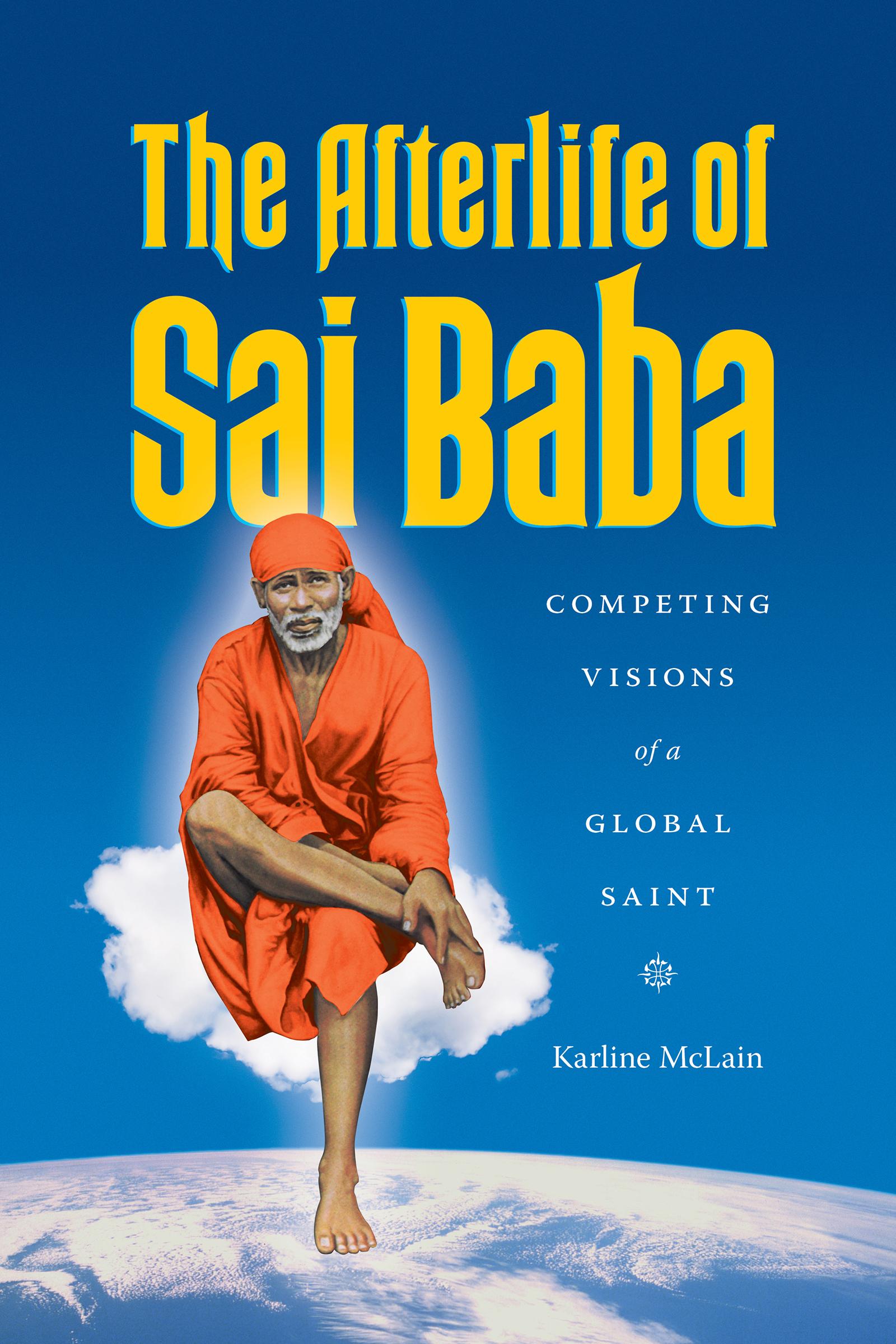
Nearly a century after his death, the image of Sai Baba, the serene old man with the white beard from Shirdi village in Maharashtra, India, is instantly recognizable to most South Asians (and many Westerners) as a guru for all faiths—Hindus, Muslims, and others. During his lifetime Sai Baba accepted all followers who came to him, regardless of religious or caste background, and preached a path of spiritual enlightenment and mutual tolerance. These days, tens of thousands of Indians and foreigners make the pilgrimage to Shirdi each year, and Sai Baba temples have sprung up in unlikely places around the world, such as Munich, Seattle, and Austin.
Tracing his rise from small village guru to global phenomenon, religious studies scholar Karline McLain uses a wide range of sources to investigate the different ways that Sai Baba has been understood in South Asia and beyond and the reasons behind his skyrocketing popularity among Hindus in particular. Shining a spotlight on an incredibly forceful devotional movement that avoids fundamental politics and emphasizes unity, service, and peace, The Afterlife of Sai Baba is an entertaining—and enlightening—look at one of South Asia’s most popular spiritual gurus.
Betal nemt med kort, Klarna, Apple Pay eller Google Pay. Ikke tilfreds? Du har altid 14 dages fortrydelsesret. Læs mere i vores vilkår. Har du spørgsmål, så send os en mail på hello@memmo.org.
Memmo gør det nemmere at studere – uanset hvor du er i verden. Hos os samler du dine kursusbøger og smarte studieværktøjer ét sted: resuméer, quizzer, podcasts og flashcards. Og så er der Ted, din studieven, der svarer på alt, du undrer dig over. Over 50 000 studerende studerer allerede her – bygget til at hjælpe dig med at lære hurtigere og stresse mindre.