
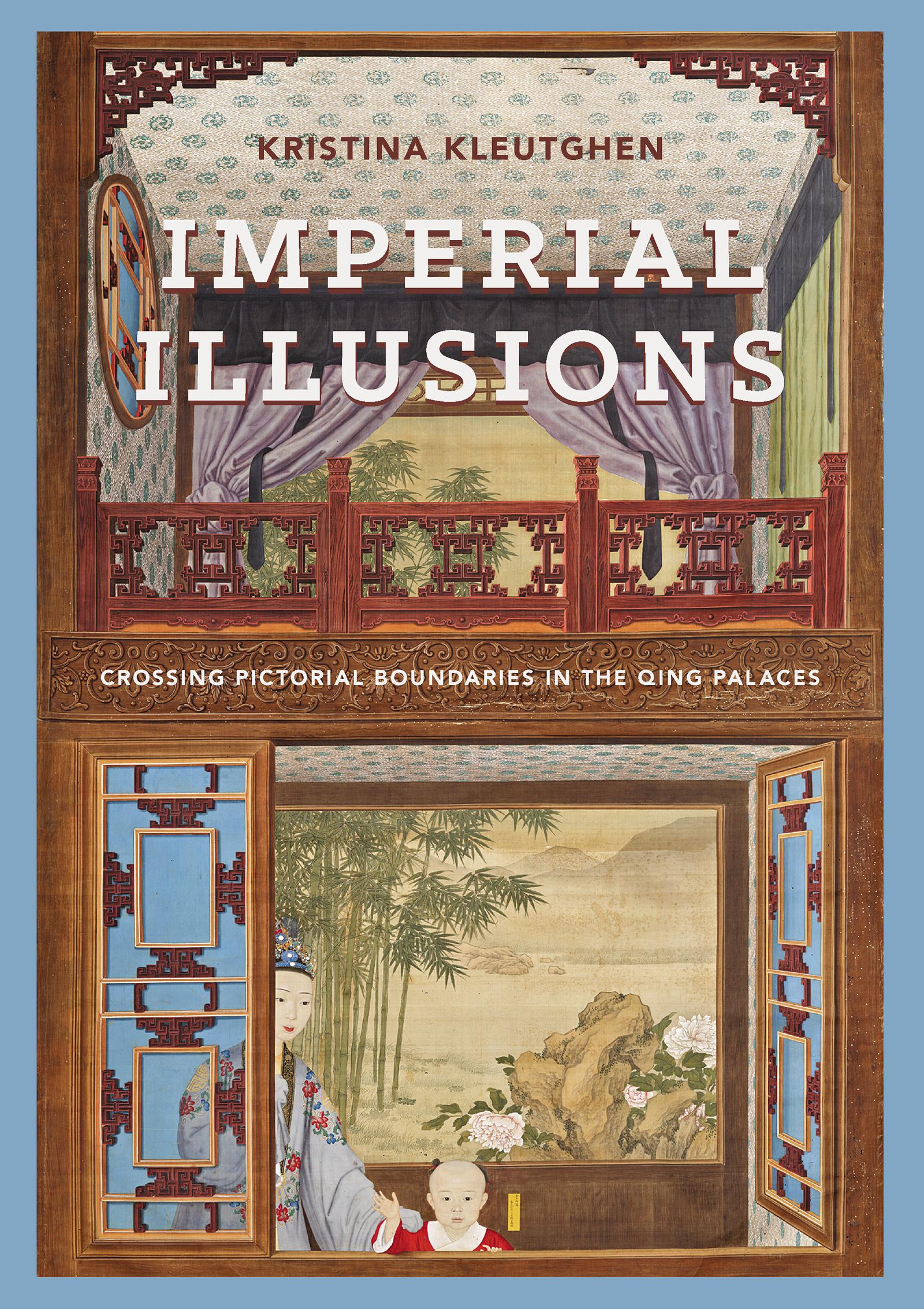
In the Forbidden City and other palaces around Beijing, Emperor Qianlong (r. 1736-1795) surrounded himself with monumental paintings of architecture, gardens, people, and faraway places. The best artists of the imperial painting academy, including a number of European missionary painters, used Western perspectival illusionism to transform walls and ceilings with visually striking images that were also deeply meaningful to Qianlong. These unprecedented works not only offer new insights into late imperial China�s most influential emperor, but also reflect one way in which Chinese art integrated and domesticated foreign ideas.
In Imperial Illusions, Kristina Kleutghen examines all known surviving examples of the Qing court phenomenon of �scenic illusion paintings� (tongjinghua), which today remain inaccessible inside the Forbidden City. Produced at the height of early modern cultural exchange between China and Europe, these works have received little scholarly attention. Richly illustrated, Imperial Illusions offers the first comprehensive investigation of the aesthetic, cultural, perceptual, and political importance of these illusionistic paintings essential to Qianlong�s world.
For more information: http://arthistorypi.org/books/imperial-illusions
Betal nemt med kort, Klarna, Apple Pay eller Google Pay. Ikke tilfreds? Du har altid 14 dages fortrydelsesret. Læs mere i vores vilkår. Har du spørgsmål, så send os en mail på hello@memmo.org.
Memmo gør det nemmere at studere – uanset hvor du er i verden. Hos os samler du dine kursusbøger og smarte studieværktøjer ét sted: resuméer, quizzer, podcasts og flashcards. Og så er der Ted, din studieven, der svarer på alt, du undrer dig over. Over 50 000 studerende studerer allerede her – bygget til at hjælpe dig med at lære hurtigere og stresse mindre.