
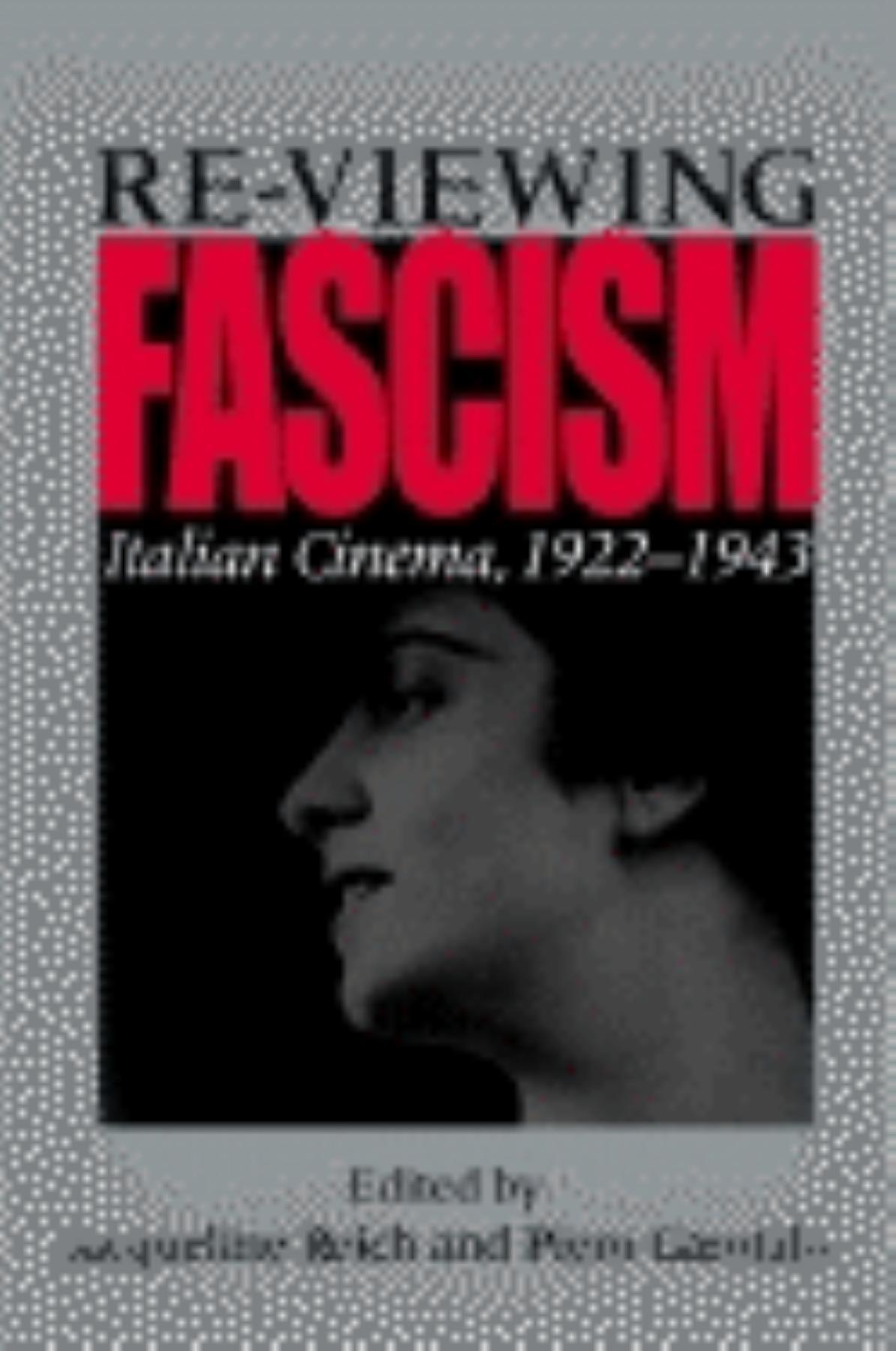
When Benito Mussolini proclaimed that "Cinema is the strongest weapon," he was telling only half the story. In reality, very few feature films during the Fascist period can be labeled as propaganda. Re-viewing Fascism considers the many films that failed as "weapons" in creating cultural consensus and instead came to reflect the complexities and contradictions of Fascist culture. The volume also examines the connection between cinema of the Fascist period and neorealism—ties that many scholars previously had denied in an attempt to view Fascism as an unfortunate deviation in Italian history. The postwar directors Luchino Visconti, Roberto Rossellini, and Vittorio de Sica all had important roots in the Fascist era, as did the Venice Film Festival. While government censorship loomed over Italian filmmaking, it did not prevent frank depictions of sexuality and representations of men and women that challenged official gender policies. Re-viewing Fascism brings together scholars from different cultural and disciplinary backgrounds as it offers an engaging and innovative look into Italian cinema, Fascist culture, and society.
Betal nemt med kort, Klarna, Apple Pay eller Google Pay. Ikke tilfreds? Du har altid 14 dages fortrydelsesret. Læs mere i vores vilkår. Har du spørgsmål, så send os en mail på hello@memmo.org.
Memmo gør det nemmere at studere – uanset hvor du er i verden. Hos os samler du dine kursusbøger og smarte studieværktøjer ét sted: resuméer, quizzer, podcasts og flashcards. Og så er der Ted, din studieven, der svarer på alt, du undrer dig over. Over 50 000 studerende studerer allerede her – bygget til at hjælpe dig med at lære hurtigere og stresse mindre.