
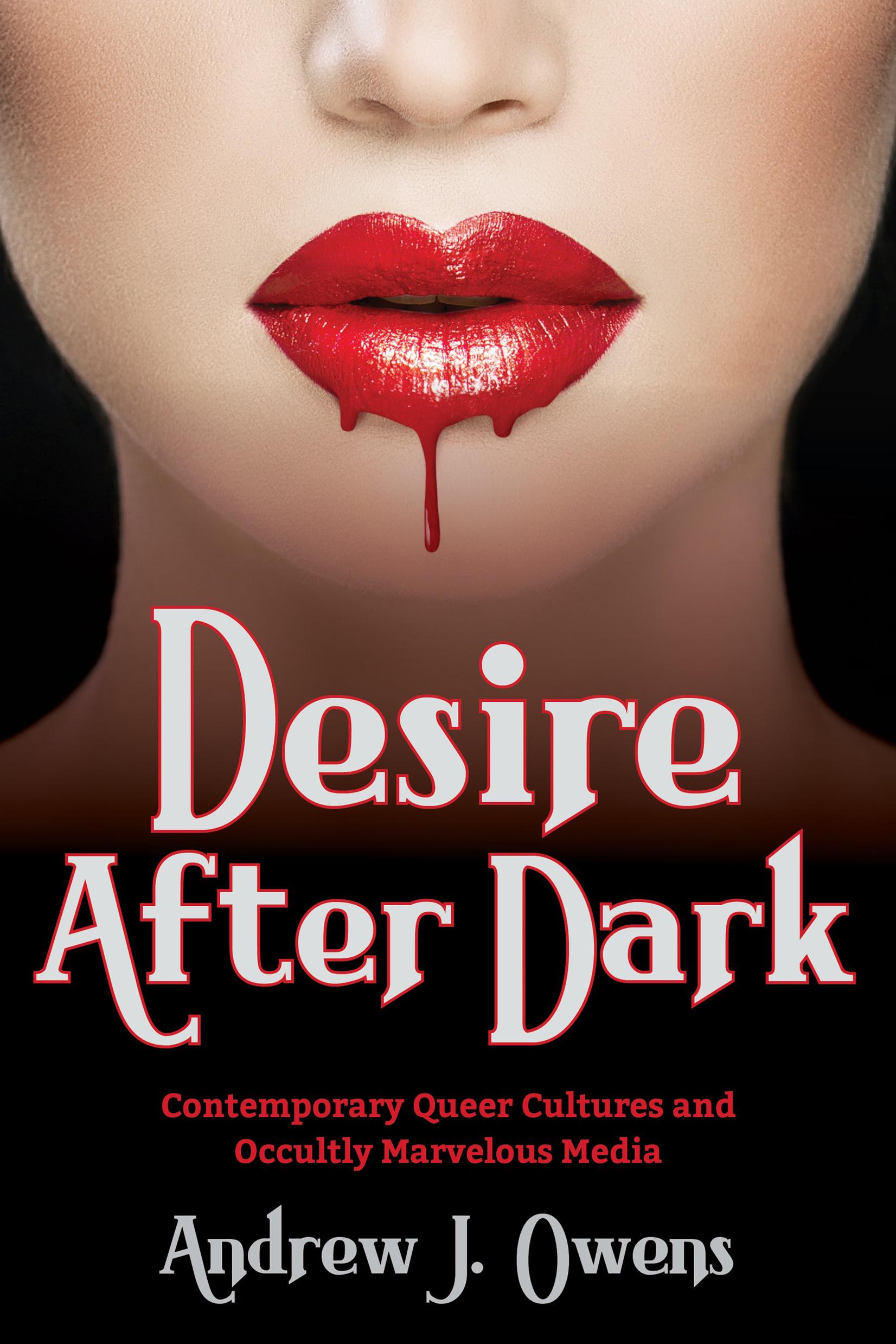
Since the 1960s, the occult in film and television has responded to and reflected society's crises surrounding gender and sexuality.
In Desire After Dark, Andrew J. Owens explores media where figures such as vampires and witches make use of their supernatural knowledge in order to queer what otherwise appears to be a normative world. Beginning with the global sexual revolutions of the '60s and moving decade by decade through "Euro-sleaze" cinema and theatrical hardcore pornography, the HIV/AIDS crisis, the popularity of New Age religions and witchcraft, and finally the increasingly explicit sexualization of American cable television, Owens contends that occult media has risen to prominence during the past 60 years as a way of exposing and working through cultural crises about queerness. Through the use of historiography and textual analyses of media from Bewitched to The Hunger, Owens reveals that the various players in occult media have always been well aware that non-normative sexuality constitutes the heart of horror's enduring appeal.
By investigating vampirism, witchcraft, and other manifestations of the supernatural in media, Desire After Dark confirms how the queer has been integral to the evolution of the horror genre and its persistent popularity as both a subcultural and mainstream media form.
Betal nemt med kort, Klarna, Apple Pay eller Google Pay. Ikke tilfreds? Du har altid 14 dages fortrydelsesret. Læs mere i vores vilkår. Har du spørgsmål, så send os en mail på hello@memmo.org.
Memmo gør det nemmere at studere – uanset hvor du er i verden. Hos os samler du dine kursusbøger og smarte studieværktøjer ét sted: resuméer, quizzer, podcasts og flashcards. Og så er der Ted, din studieven, der svarer på alt, du undrer dig over. Over 50 000 studerende studerer allerede her – bygget til at hjælpe dig med at lære hurtigere og stresse mindre.