
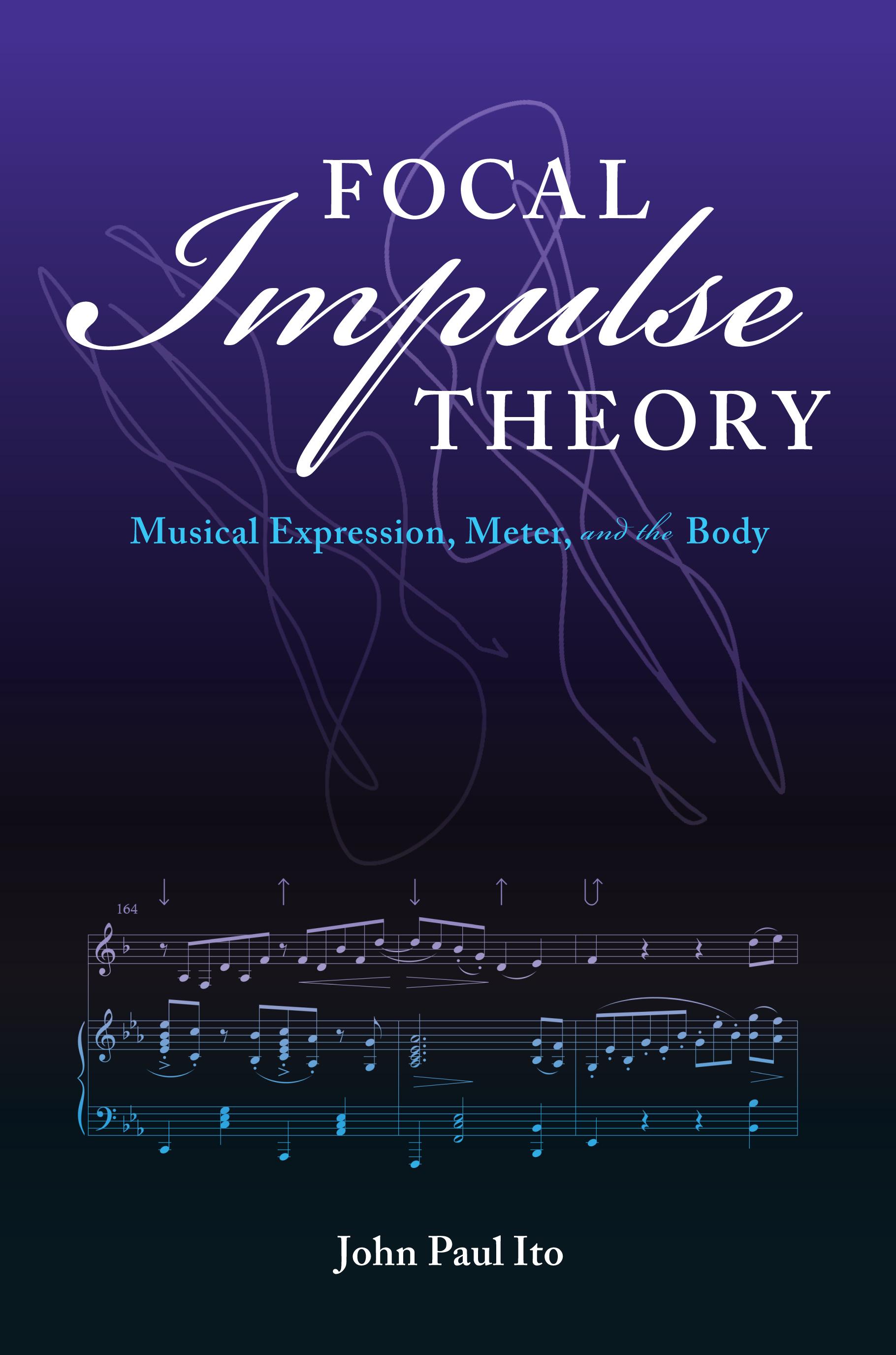
Music is surrounded by movement, from the arching back of the guitarist to the violinist swaying with each bow stroke.
To John Paul Ito, these actions are not just a visual display; rather, they reveal what it really means for musicians to move with the beat, organizing the flow of notes from beat to beat and shaping the sound produced. By developing "focal impulse theory," Ito shows how a performer's choices of how to move with the meter can transform the music's expressive contours. Change the dance of the performer's body, and you change the dance of the notes.
As Focal Impulse Theory deftly illustrates, bodily movements carry musical meaning and, in a very real sense, are meaning.
Betal nemt med kort, Klarna, Apple Pay eller Google Pay. Ikke tilfreds? Du har altid 14 dages fortrydelsesret. Læs mere i vores vilkår. Har du spørgsmål, så send os en mail på hello@memmo.org.
Memmo gør det nemmere at studere – uanset hvor du er i verden. Hos os samler du dine kursusbøger og smarte studieværktøjer ét sted: resuméer, quizzer, podcasts og flashcards. Og så er der Ted, din studieven, der svarer på alt, du undrer dig over. Over 50 000 studerende studerer allerede her – bygget til at hjælpe dig med at lære hurtigere og stresse mindre.