
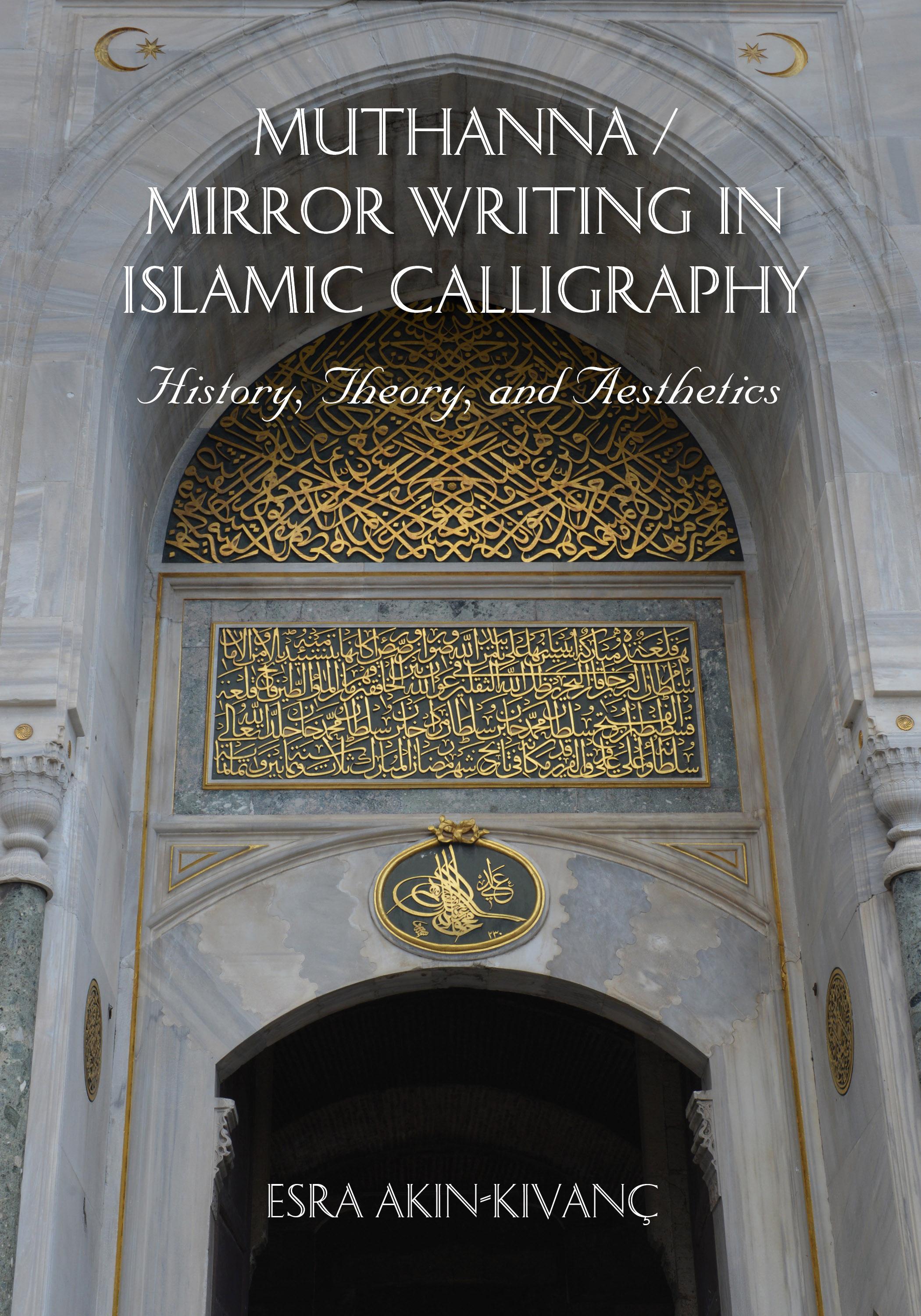
Muthanna, also known as mirror writing, is a compelling style of Islamic calligraphy composed of a source text and its mirror image placed symmetrically on a horizontal or vertical axis. This style elaborates on various scripts such as Kufic, naskh, and muhaqqaq through compositional arrangements, including doubling, superimposing, and stacking. Muthanna is found in diverse media, ranging from architecture, textiles, and tiles to paper, metalwork, and woodwork. Yet despite its centuries-old history and popularity in countries from Iran to Spain, scholarship on the form has remained limited and flawed. Muthanna / Mirror Writing in Islamic Calligraphy provides a comprehensive study of the text and its forms, beginning with an explanation of the visual principles and techniques used in its creation. Author Esra Akın-Kıvanc explores muthanna's relationship to similar forms of writing in Judaic and Christian contexts, as well as the specifically Islamic contexts within which symmetrically mirrored compositions reached full fruition, were assigned new meanings, and transformed into more complex visual forms. Throughout, Akın-Kıvanc imaginatively plays on the implicit relationship between subject and object in muthanna by examining the point of view of the artist, the viewer, and the work of art. In doing so, this study elaborates on the vital links between outward form and inner meaning in Islamic calligraphy.
Betal nemt med kort, Klarna, Apple Pay eller Google Pay. Ikke tilfreds? Du har altid 14 dages fortrydelsesret. Læs mere i vores vilkår. Har du spørgsmål, så send os en mail på hello@memmo.org.
Memmo gør det nemmere at studere – uanset hvor du er i verden. Hos os samler du dine kursusbøger og smarte studieværktøjer ét sted: resuméer, quizzer, podcasts og flashcards. Og så er der Ted, din studieven, der svarer på alt, du undrer dig over. Over 50 000 studerende studerer allerede her – bygget til at hjælpe dig med at lære hurtigere og stresse mindre.