
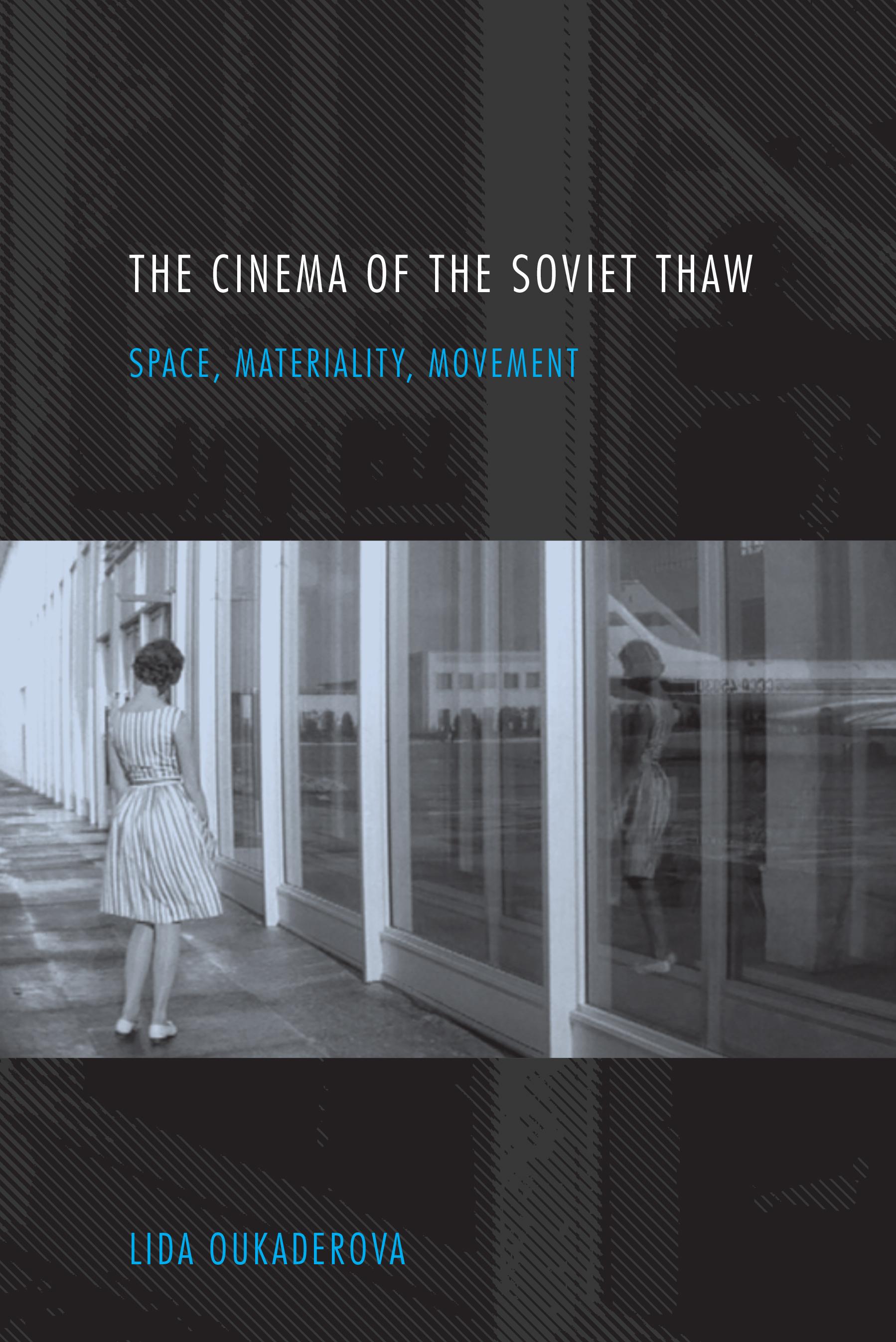
Following Joseph Stalin's death in 1953, the Soviet Union experienced a dramatic resurgence in cinematic production. The period of the Soviet Thaw became known for its relative political and cultural liberalization; its films, formally innovative and socially engaged, were swept to the center of international cinematic discourse. In The Cinema of the Soviet Thaw, Lida Oukaderova provides an in-depth analysis of several Soviet films made between 1958 and 1967 to argue for the centrality of space—as both filmic trope and social concern—to Thaw-era cinema. Opening with a discussion of the USSR's little-examined late-fifties embrace of panoramic cinema, the book pursues close readings of films by Mikhail Kalatozov, Georgii Danelia, Larisa Shepitko and Kira Muratova, among others. It demonstrates that these directors' works were motivated by an urge to interrogate and reanimate spatial experience, and through this project to probe critical issues of ideology, social progress, and subjectivity within post–Stalinist culture.
Betal nemt med kort, Klarna, Apple Pay eller Google Pay. Ikke tilfreds? Du har altid 14 dages fortrydelsesret. Læs mere i vores vilkår. Har du spørgsmål, så send os en mail på hello@memmo.org.
Memmo gør det nemmere at studere – uanset hvor du er i verden. Hos os samler du dine kursusbøger og smarte studieværktøjer ét sted: resuméer, quizzer, podcasts og flashcards. Og så er der Ted, din studieven, der svarer på alt, du undrer dig over. Over 50 000 studerende studerer allerede her – bygget til at hjælpe dig med at lære hurtigere og stresse mindre.