
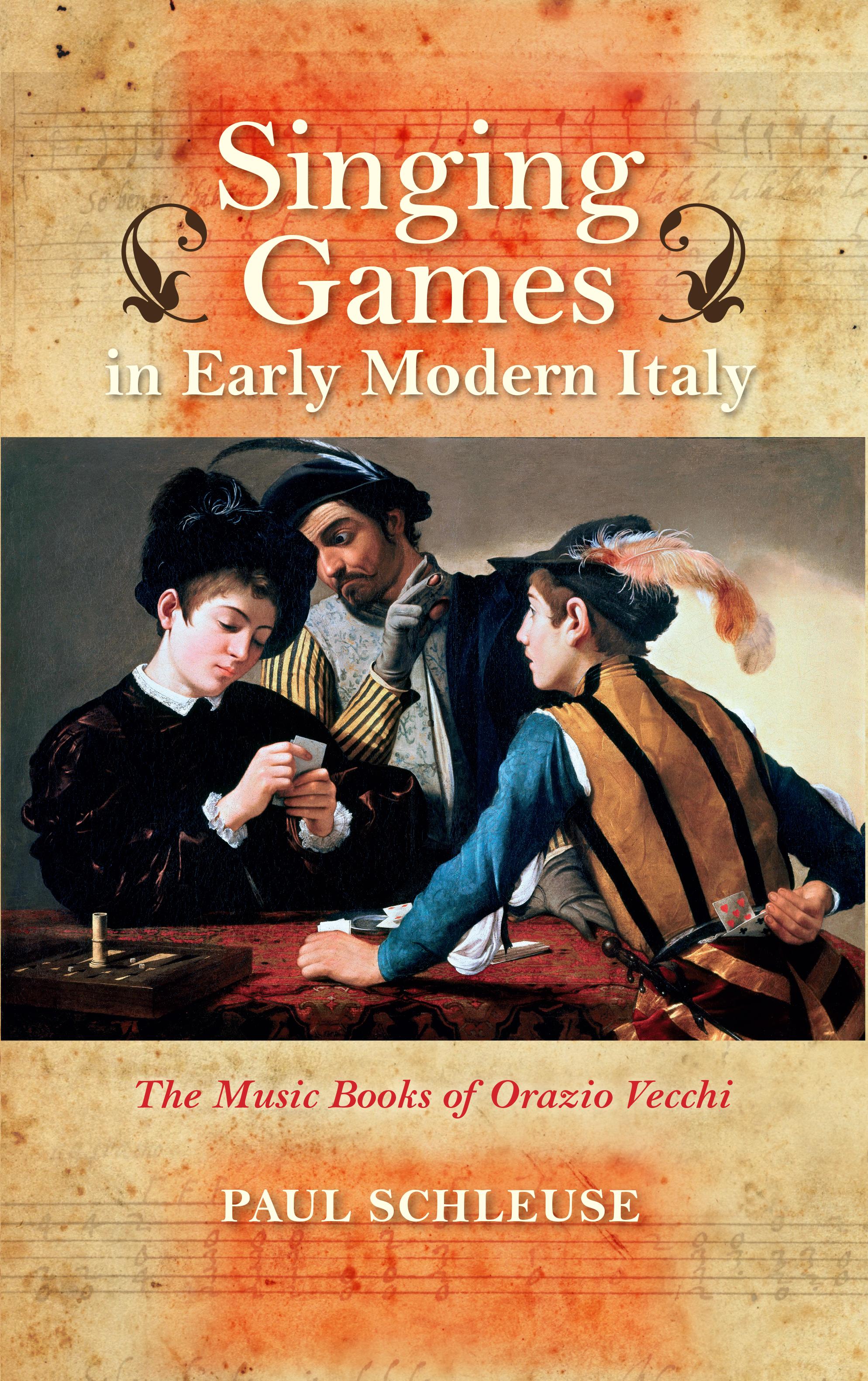
In Italy during the late cinquecento, printed music could be found not only in the homes of the wealthy or the music professional, but also in lay homes, courts, and academies. No longer confined to the salons of the elite, music took on the role of social play and recreation. Paul Schleuse examines these new musical forms through a study of the music books of Italian priest, poet, and composer, Orazio Vecchi. Composed for minor patrons and the wider music-buying public, Vecchi's madrigals took as their subjects game-playing, drinking, hunting, battles, and the life of the street. Schleuse looks at how music and game-playing allowed singers and performers to play the roles of exemplary pastoral characters and also comic, foreign, and "rustic" others in ways that defined and ultimately reinforced social norms of the times. His findings reposition Orazio Vecchi as one of the most innovative composers of the late 16th century.
Betal nemt med kort, Klarna, Apple Pay eller Google Pay. Ikke tilfreds? Du har altid 14 dages fortrydelsesret. Læs mere i vores vilkår. Har du spørgsmål, så send os en mail på hello@memmo.org.
Memmo gør det nemmere at studere – uanset hvor du er i verden. Hos os samler du dine kursusbøger og smarte studieværktøjer ét sted: resuméer, quizzer, podcasts og flashcards. Og så er der Ted, din studieven, der svarer på alt, du undrer dig over. Over 50 000 studerende studerer allerede her – bygget til at hjælpe dig med at lære hurtigere og stresse mindre.