
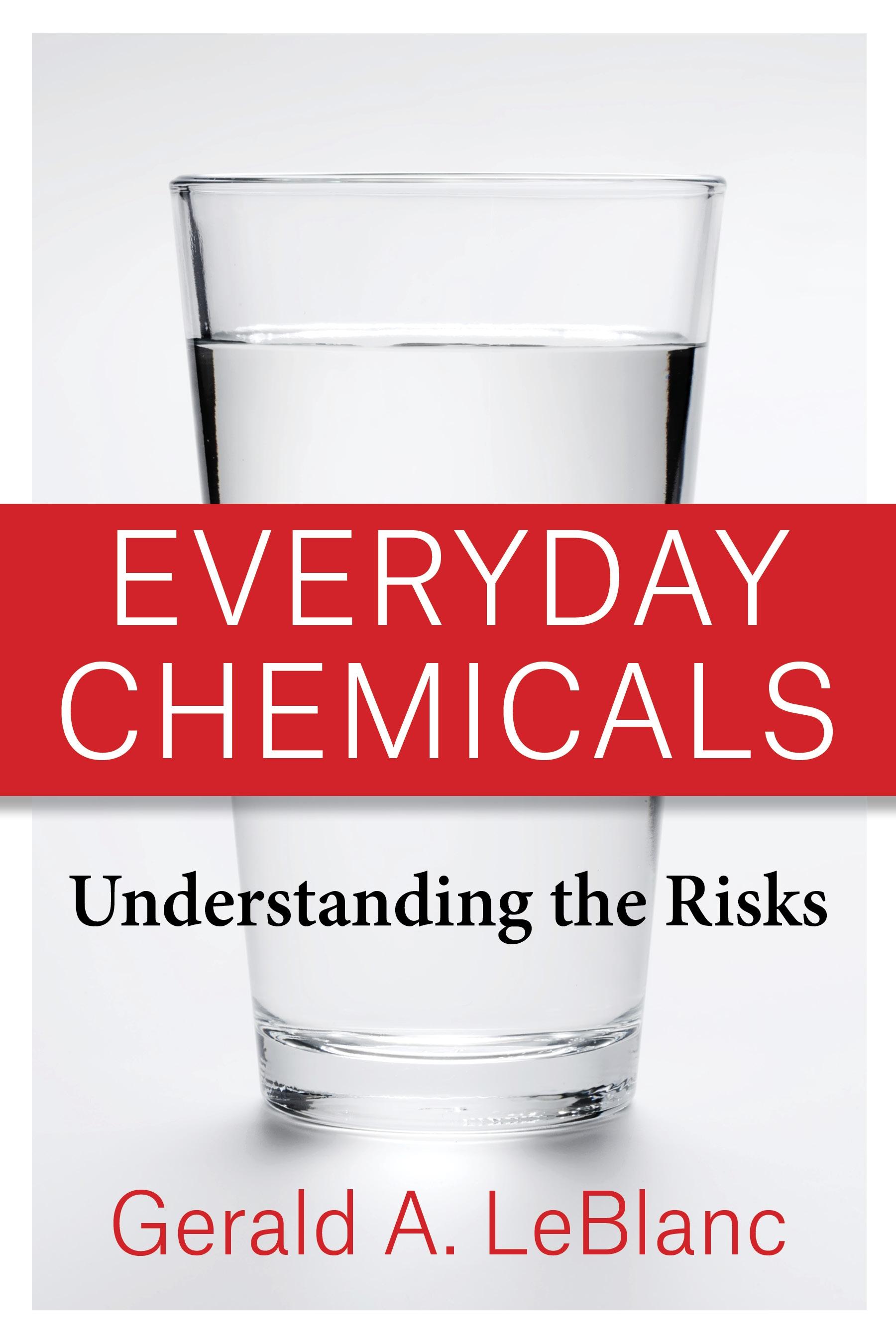
What is the likelihood that common chemicals such as bisphenol-A, which is found in plastic water bottles, are harming us? Should shoppers be concerned about pesticide residues on fruits and vegetables in the supermarket produce aisle? Are we risking adverse health effects when we use insect repellent that contains DEET or slather on sunscreen? Modern life requires us to navigate an endless sea of chemicals. How do we know whether we need to worry about them?
This book is a layperson’s guide to understanding chemical risk. The toxicologist Gerald A. LeBlanc offers a nontechnical overview of the key factors in evaluating whether exposure to chemicals in our daily lives could be harmful. He leads readers through the basic concepts of risk assessment using real-world examples. LeBlanc emphasizes that chemical hazard depends on the level of exposure and provides practical strategies for sensible decision making. The book features a series of accessible case studies describing how we all can reach rational conclusions about the danger of typical chemical exposures we experience every day.
Giving nonexpert readers the tools to understand chemical risks, this book shows how critical thinking and science literacy can help us live with less fear and anxiety and make reasonable choices when confronted with potential hazards.
Betal nemt med kort, Klarna, Apple Pay eller Google Pay. Ikke tilfreds? Du har altid 14 dages fortrydelsesret. Læs mere i vores vilkår. Har du spørgsmål, så send os en mail på hello@memmo.org.
Memmo gør det nemmere at studere – uanset hvor du er i verden. Hos os samler du dine kursusbøger og smarte studieværktøjer ét sted: resuméer, quizzer, podcasts og flashcards. Og så er der Ted, din studieven, der svarer på alt, du undrer dig over. Over 50 000 studerende studerer allerede her – bygget til at hjælpe dig med at lære hurtigere og stresse mindre.