
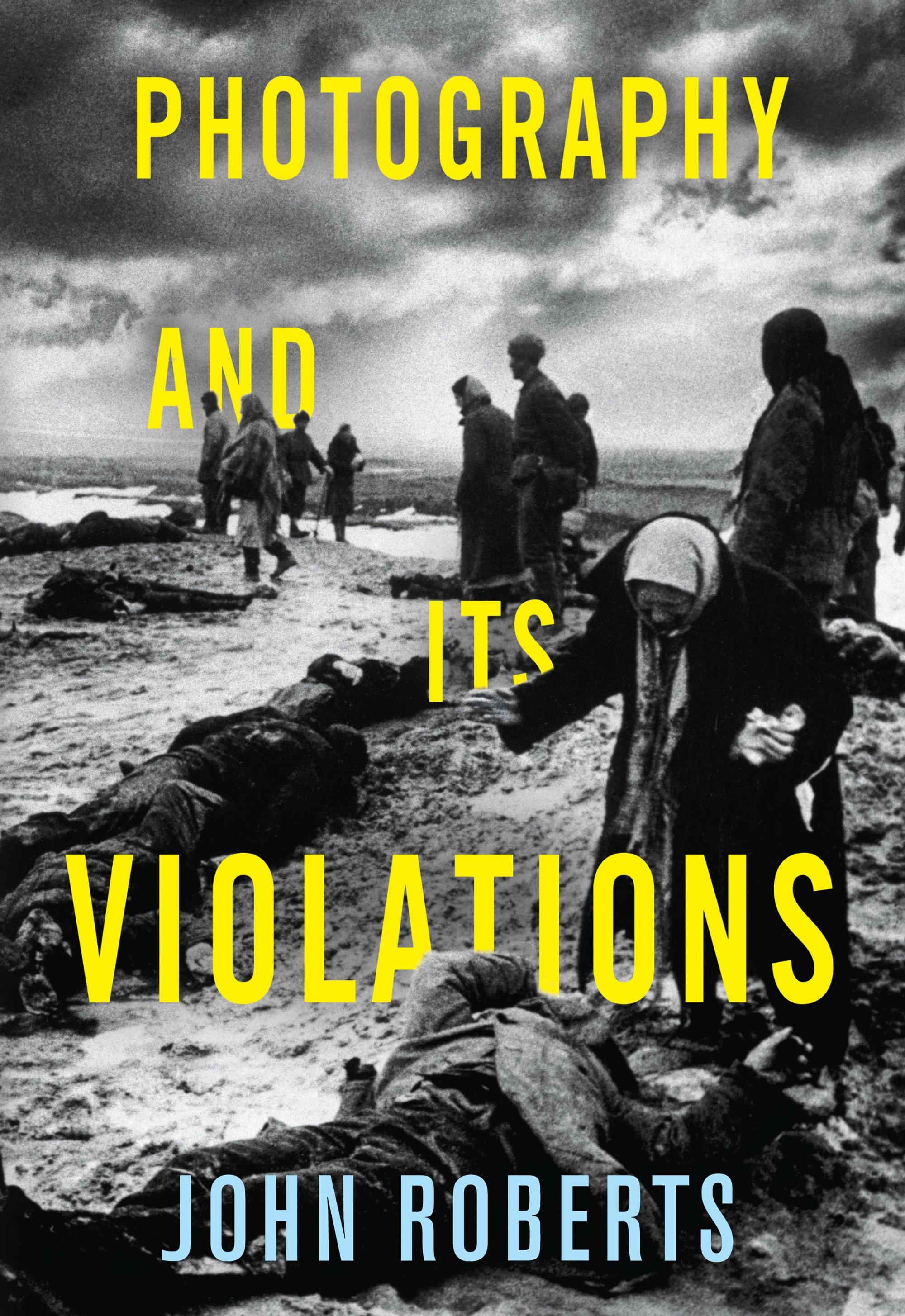
Theorists critique photography for "objectifying" its subjects and manipulating appearances for the sake of art. In this bold counterargument, John Roberts recasts photography's violating powers of disclosure and aesthetic technique as part of a complex "social ontology" that exposes the hierarchies, divisions, and exclusions behind appearances.
The photographer must "arrive unannounced" and "get in the way of the world," Roberts argues, committing photography to the truth-claims of the spectator over the self-interests and sensitivities of the subject. Yet even though the violating capacity of the photograph results from external power relations, the photographer is still faced with an ethical choice: whether to advance photography's truth-claims on the basis of these powers or to diminish or veil these powers to protect the integrity of the subject. Photography's acts of intrusion and destabilization, then, constantly test the photographer at the point of production, in the darkroom, and at the computer, especially in our 24-hour digital image culture. In this game-changing work, Roberts refunctions photography's place in the world, politically and theoretically restoring its reputation as a truth-producing medium.
Betal nemt med kort, Klarna, Apple Pay eller Google Pay. Ikke tilfreds? Du har altid 14 dages fortrydelsesret. Læs mere i vores vilkår. Har du spørgsmål, så send os en mail på hello@memmo.org.
Memmo gør det nemmere at studere – uanset hvor du er i verden. Hos os samler du dine kursusbøger og smarte studieværktøjer ét sted: resuméer, quizzer, podcasts og flashcards. Og så er der Ted, din studieven, der svarer på alt, du undrer dig over. Over 50 000 studerende studerer allerede her – bygget til at hjælpe dig med at lære hurtigere og stresse mindre.