
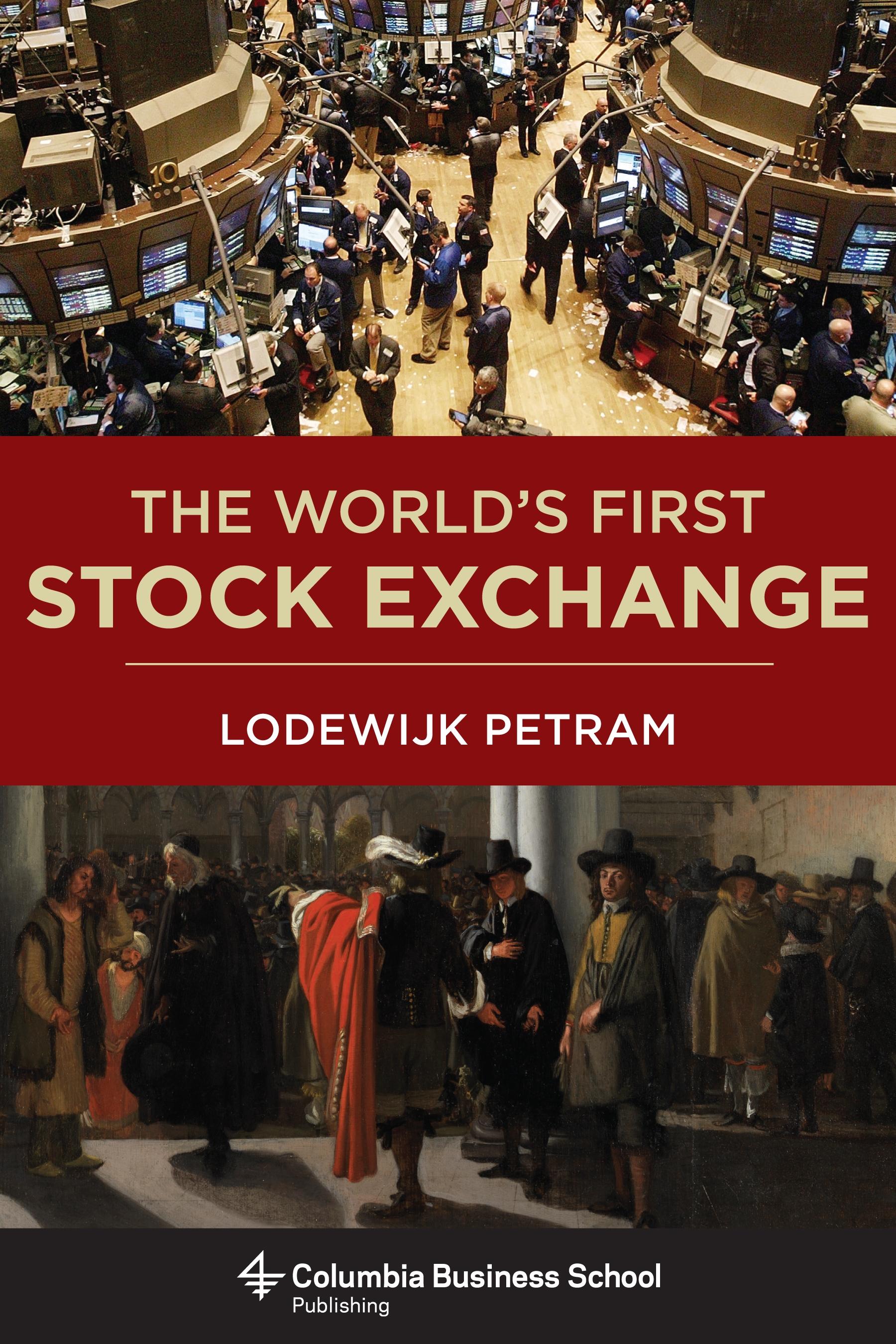
The launch of the Dutch East India Company in 1602 initiated Amsterdam's transformation from a regional market town into a dominant financial center. The Company introduced easily transferable shares, and within days buyers had begun to trade them. Soon the public was engaging in a variety of complex transactions, including forwards, futures, options, and bear raids, and by 1680 the techniques deployed in the Amsterdam market were as sophisticated as any we practice today.
Lodewijk Petram's eye-opening history demystifies financial instruments by linking today's products to yesterday's innovations, tying the market's operation to the behavior of individuals and the workings of the world around them. Traveling back to seventeenth-century Amsterdam, Petram visits the harbor and other places where merchants met to strike deals. He bears witness to the goings-on at a notary's office and sits in on the consequential proceedings of a courtroom. He describes in detail the main players, investors, shady characters, speculators, and domestic servants and other ordinary folk, who all played a role in the development of the market and its crises. His history clarifies concerns that investors still struggle with today, such as fraud, the value of information, trust and the place of honor, managing diverging expectations, and balancing risk, and does so in a way that is vivid, relatable, and critical to understanding our contemporary financial predicament.
Betal nemt med kort, Klarna, Apple Pay eller Google Pay. Ikke tilfreds? Du har altid 14 dages fortrydelsesret. Læs mere i vores vilkår. Har du spørgsmål, så send os en mail på hello@memmo.org.
Memmo gør det nemmere at studere – uanset hvor du er i verden. Hos os samler du dine kursusbøger og smarte studieværktøjer ét sted: resuméer, quizzer, podcasts og flashcards. Og så er der Ted, din studieven, der svarer på alt, du undrer dig over. Over 50 000 studerende studerer allerede her – bygget til at hjælpe dig med at lære hurtigere og stresse mindre.