
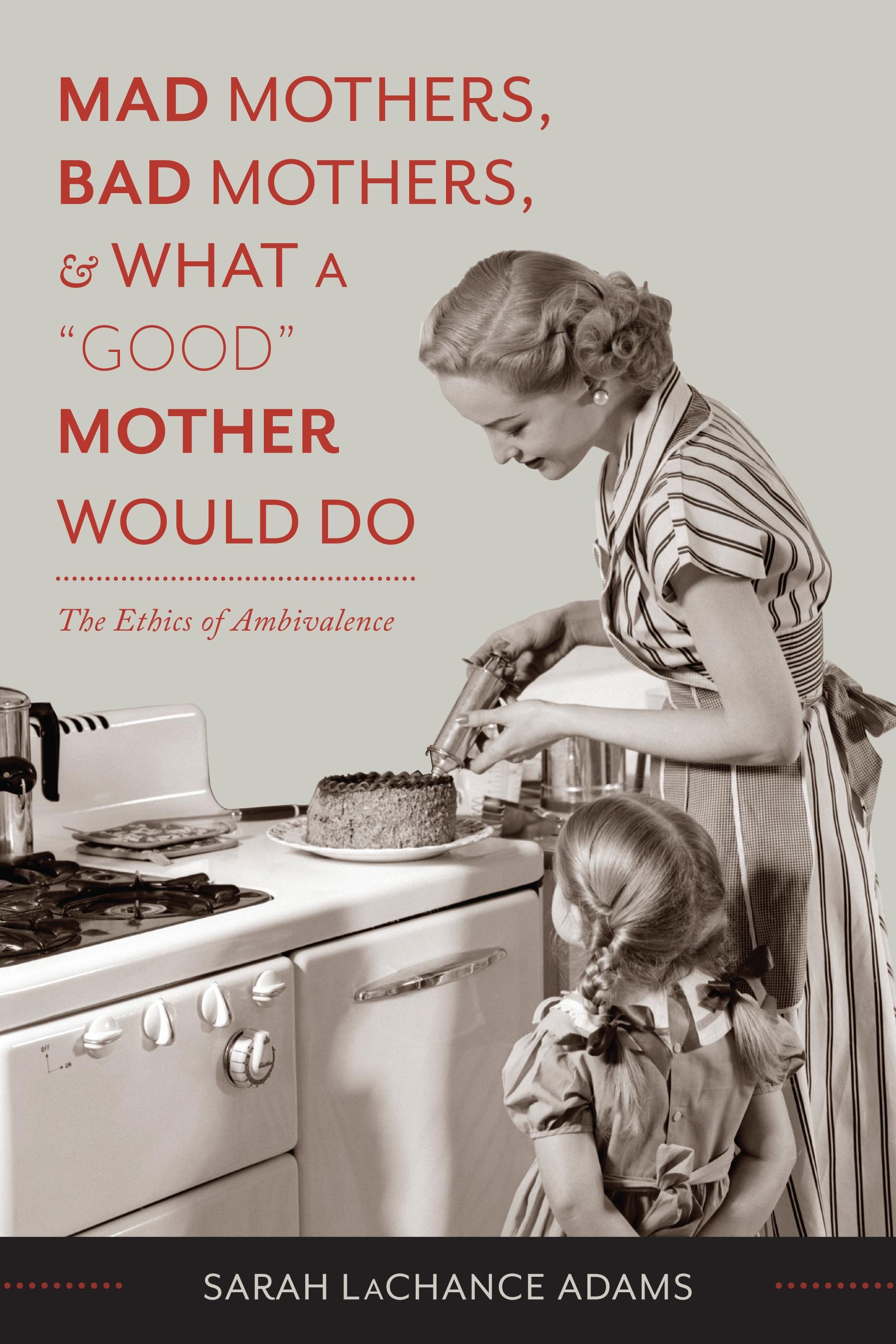
When a mother kills her child, we call her a bad mother, but, as this book shows, even mothers who intend to do their children harm are not easily categorized as "mad" or "bad." Maternal love is a complex emotion rich with contradictory impulses and desires, and motherhood is a conflicted state in which women constantly renegotiate the needs mother and child, the self and the other.
Applying care ethics philosophy and the work of Emmanuel Levinas, Maurice Merleau-Ponty, and Simone de Beauvoir to real-world experiences of motherhood, Sarah LaChance Adams throws the inherent tensions of motherhood into sharp relief, drawing a more nuanced portrait of the mother and child relationship than previously conceived. The maternal example is particularly instructive for ethical theory, highlighting the dynamics of human interdependence while also affirming separate interests. LaChance Adams particularly focuses on maternal ambivalence and its morally productive role in reinforcing the divergence between oneself and others, helping to recognize the particularities of situation, and negotiating the difference between one's own needs and the desires of others. She ultimately argues maternal filicide is a social problem requiring a collective solution that ethical philosophy and philosophies of care can inform.
Betal nemt med kort, Klarna, Apple Pay eller Google Pay. Ikke tilfreds? Du har altid 14 dages fortrydelsesret. Læs mere i vores vilkår. Har du spørgsmål, så send os en mail på hello@memmo.org.
Memmo gør det nemmere at studere – uanset hvor du er i verden. Hos os samler du dine kursusbøger og smarte studieværktøjer ét sted: resuméer, quizzer, podcasts og flashcards. Og så er der Ted, din studieven, der svarer på alt, du undrer dig over. Over 50 000 studerende studerer allerede her – bygget til at hjælpe dig med at lære hurtigere og stresse mindre.