
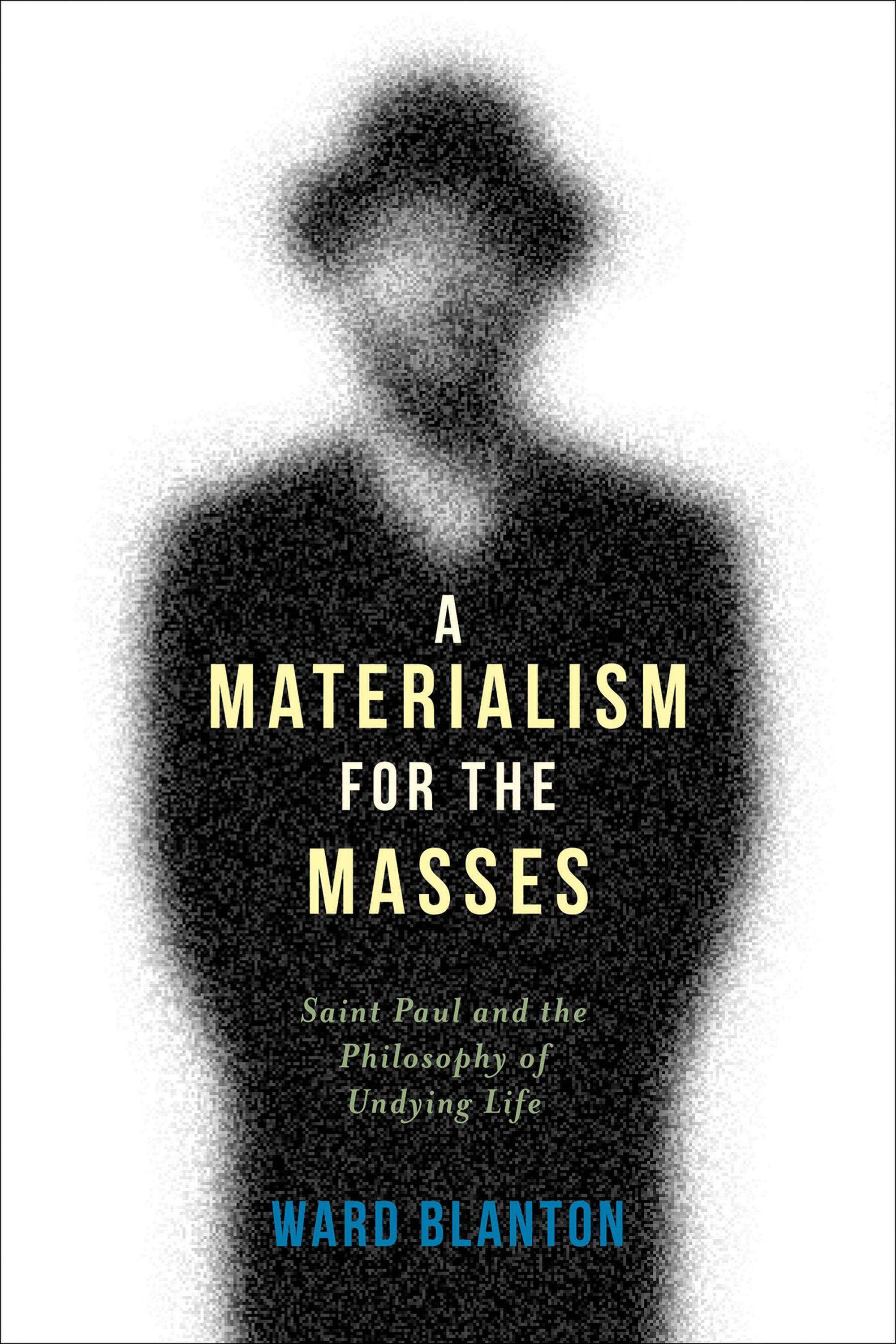
Nietzsche and Freud saw Christianity as metaphysical escapism, with Nietzsche calling the religion a "Platonism for the masses" and faulting Paul the apostle for negating more immanent, material modes of thought and political solidarity. Integrating this debate with the philosophies of difference espoused by Gilles Deleuze, Michel Foucault, Jacques Derrida, Jacques Lacan, and Pier Paolo Pasolini, Ward Blanton argues that genealogical interventions into the political economies of Western cultural memory do not go far enough in relation to the imagined founder of Christianity.
Blanton challenges the idea of Paulinism as a pop Platonic worldview or form of social control. He unearths in Pauline legacies otherwise repressed resources for new materialist spiritualities and new forms of radical political solidarity, liberating "religion" from inherited interpretive assumptions so philosophical thought can manifest in risky, radical freedom.
Betal nemt med kort, Klarna, Apple Pay eller Google Pay. Ikke tilfreds? Du har altid 14 dages fortrydelsesret. Læs mere i vores vilkår. Har du spørgsmål, så send os en mail på hello@memmo.org.
Memmo gør det nemmere at studere – uanset hvor du er i verden. Hos os samler du dine kursusbøger og smarte studieværktøjer ét sted: resuméer, quizzer, podcasts og flashcards. Og så er der Ted, din studieven, der svarer på alt, du undrer dig over. Over 50 000 studerende studerer allerede her – bygget til at hjælpe dig med at lære hurtigere og stresse mindre.