
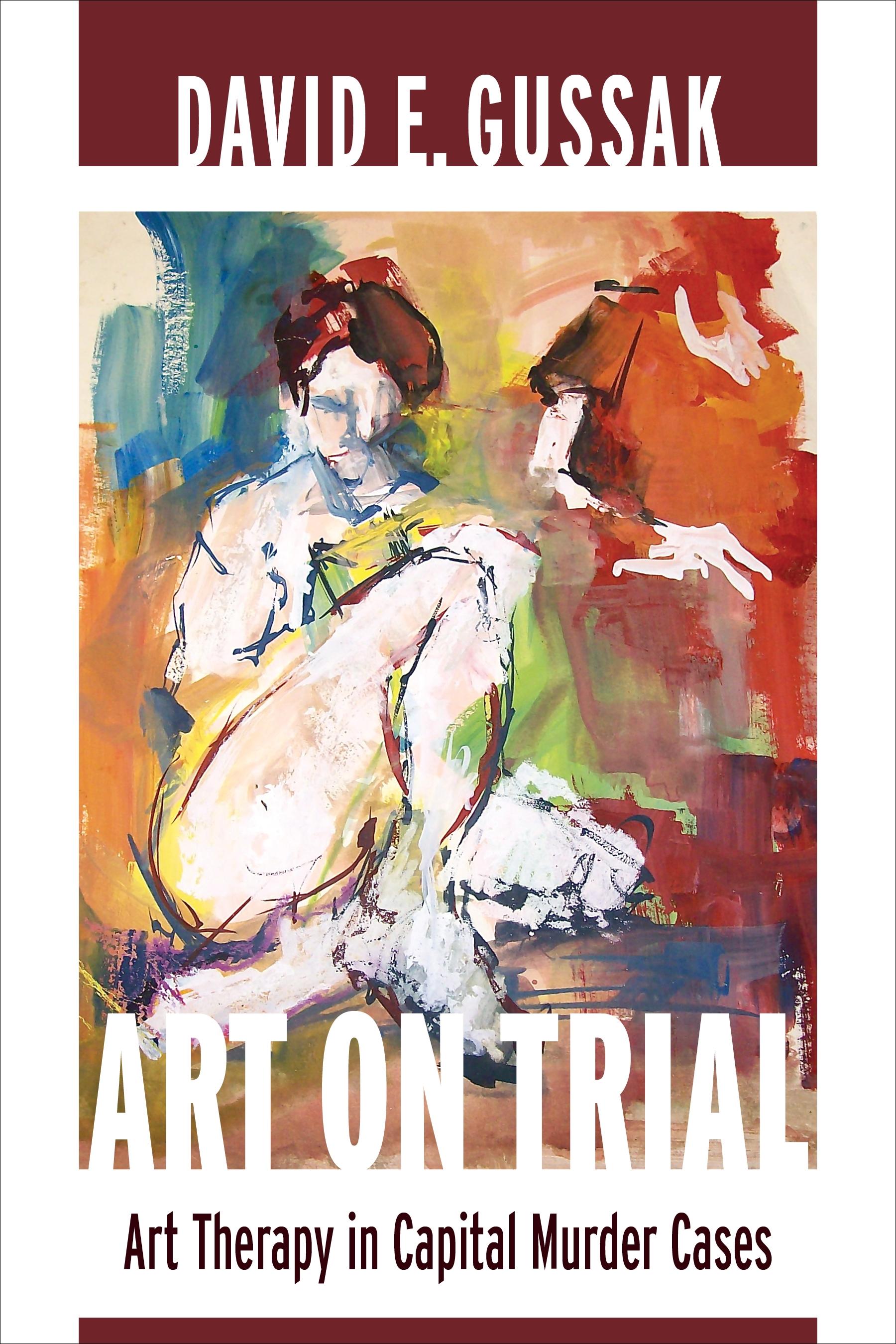
A man kidnaps his two children, murders one, and attempts to kill the other. The prosecution seeks the death penalty, while the defense employs an unusual strategy to avoid the sentence. The defendant's attorneys turn to more than 100 examples of his artwork, created over many years, to determine whether he was mentally ill at the time he committed the crimes. Detailing an outstanding example of the use of forensic art therapy in a capital murder case, David Gussak, an art therapist contracted by the defense to analyze the images that were to be presented as evidence, recounts his findings and his testimony in court, as well as the future implications of his work for criminal proceedings.
Gussak describes the role of the art therapist as an expert witness in a murder case, the way to use art as evidence, and the conclusions and assessments that professionals can draw from a defendant's artworks. He examines the effectiveness of expert testimony as communicated by the prosecution, defense, and court, and weighs the moral, ethical, and legal consequences of relying on such evidence. For professionals and general readers, this gripping volume presents a convincing account of the ability of art to reflect a damaged and dangerous psyche. A leading text on an emerging field, Art on Trial demonstrates the practical applications of an innovative approach to clinical assessment and treatment.
Betal nemt med kort, Klarna, Apple Pay eller Google Pay. Ikke tilfreds? Du har altid 14 dages fortrydelsesret. Læs mere i vores vilkår. Har du spørgsmål, så send os en mail på hello@memmo.org.
Memmo gør det nemmere at studere – uanset hvor du er i verden. Hos os samler du dine kursusbøger og smarte studieværktøjer ét sted: resuméer, quizzer, podcasts og flashcards. Og så er der Ted, din studieven, der svarer på alt, du undrer dig over. Over 50 000 studerende studerer allerede her – bygget til at hjælpe dig med at lære hurtigere og stresse mindre.