
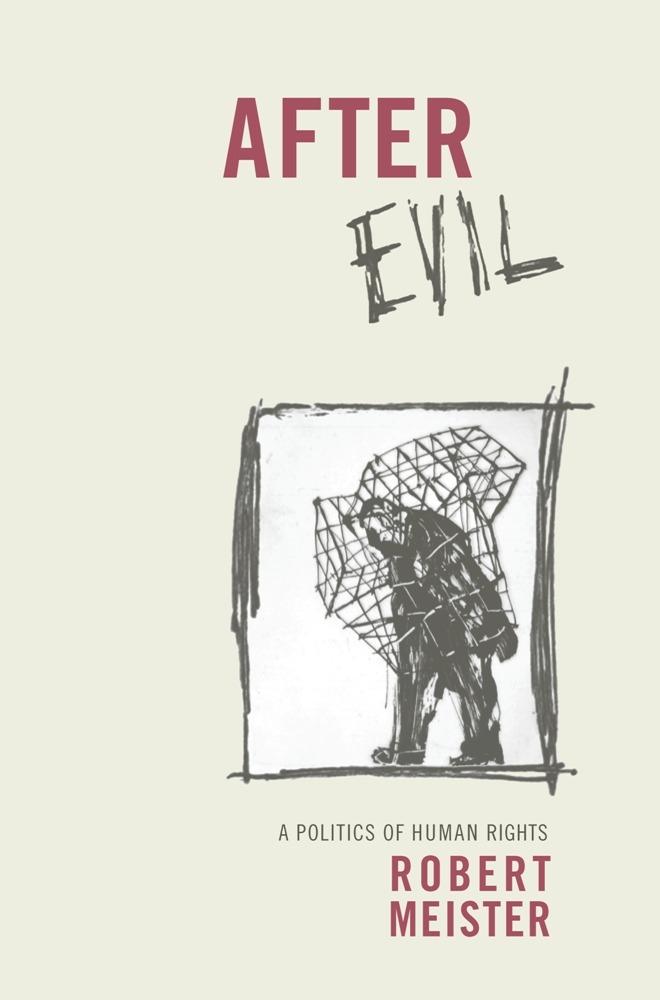
The way in which mainstream human rights discourse speaks of such evils as the Holocaust, slavery, or apartheid puts them solidly in the past. Its elaborate techniques of "transitional" justice encourage future generations to move forward by creating a false assumption of closure, enabling those who are guilty to elude responsibility. This approach to history, common to late-twentieth-century humanitarianism, doesn't presuppose that evil ends when justice begins. Rather, it assumes that a time before justice is the moment to put evil in the past.
Merging examples from literature and history, Robert Meister confronts the problem of closure and the resolution of historical injustice. He boldly challenges the empty moral logic of "never again" or the theoretical reduction of evil to a cycle of violence and counterviolence, broken only once evil is remembered for what it was. Meister criticizes such methods for their deferral of justice and susceptibility to exploitation and elaborates the flawed moral logic of "never again" in relation to Auschwitz and its evolution into a twenty-first-century doctrine of the Responsibility to Protect.
Betal nemt med kort, Klarna, Apple Pay eller Google Pay. Ikke tilfreds? Du har altid 14 dages fortrydelsesret. Læs mere i vores vilkår. Har du spørgsmål, så send os en mail på hello@memmo.org.
Memmo gør det nemmere at studere – uanset hvor du er i verden. Hos os samler du dine kursusbøger og smarte studieværktøjer ét sted: resuméer, quizzer, podcasts og flashcards. Og så er der Ted, din studieven, der svarer på alt, du undrer dig over. Over 50 000 studerende studerer allerede her – bygget til at hjælpe dig med at lære hurtigere og stresse mindre.