
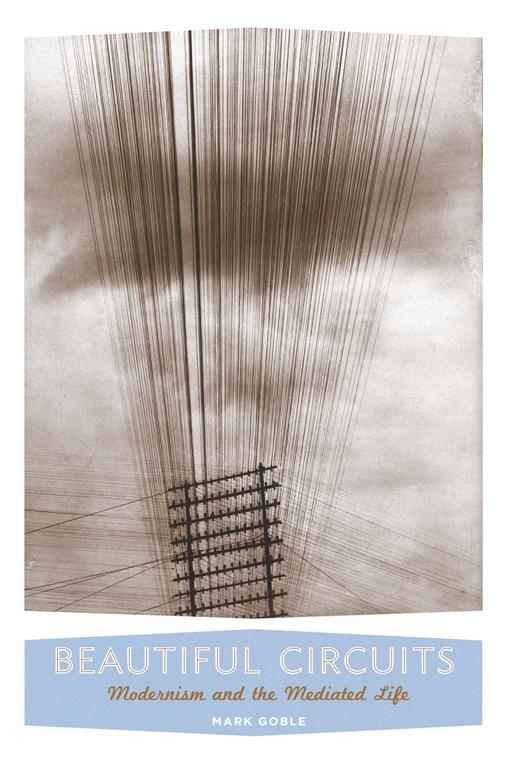
Considering texts by Henry James, Gertrude Stein, James Weldon Johnson, F. Scott Fitzgerald, Ralph Ellison, Richard Wright, James Agee, and William Carlos Williams, alongside film, painting, music, and popular culture, Mark Goble explores the development of American modernism as it was shaped by its response to technology and an attempt to change how literature itself could communicate.
Goble's original readings reinterpret the aesthetics of modernism in the early twentieth century, when new modes of communication made the experience of technology an occasion for profound experimentation and reflection. He follows the assimilation of such "old" media technologies as the telegraph, telephone, and phonograph and their role in inspiring fantasies of connection, which informed a commitment to the materiality of artistic mediums. Describing how relationships made possible by technology became more powerfully experienced with technology, Goble explores a modernist fetish for media that shows no signs of abating. The "mediated life" puts technology into communication with a series of shifts in how Americans conceive the mechanics and meanings of their connections to one another, and therefore to the world and to their own modernity.
Betal nemt med kort, Klarna, Apple Pay eller Google Pay. Ikke tilfreds? Du har altid 14 dages fortrydelsesret. Læs mere i vores vilkår. Har du spørgsmål, så send os en mail på hello@memmo.org.
Memmo gør det nemmere at studere – uanset hvor du er i verden. Hos os samler du dine kursusbøger og smarte studieværktøjer ét sted: resuméer, quizzer, podcasts og flashcards. Og så er der Ted, din studieven, der svarer på alt, du undrer dig over. Over 50 000 studerende studerer allerede her – bygget til at hjælpe dig med at lære hurtigere og stresse mindre.