
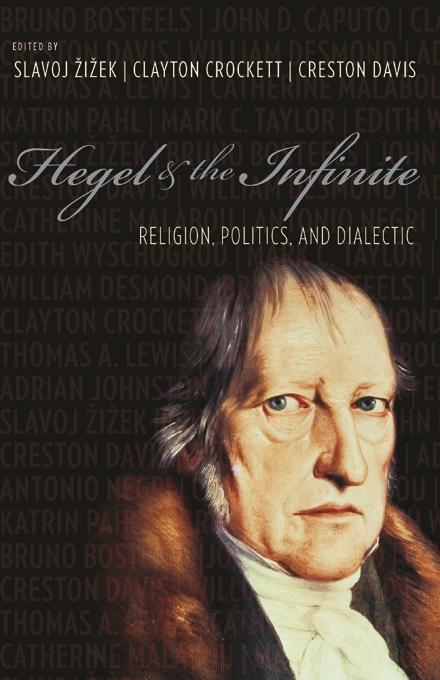
Catherine Malabou, Antonio Negri, John D. Caputo, Bruno Bosteels, Mark C. Taylor, and Slavoj Zizek join seven others—including William Desmond, Katrin Pahl, Adrian Johnston, Edith Wyschogrod, and Thomas A. Lewis—to apply Hegel's thought to twenty-first-century philosophy, politics, and religion. Doing away with claims that the evolution of thought and history is at an end, these thinkers safeguard Hegel's innovations against irrelevance and, importantly, reset the distinction of secular and sacred.
These original contributions focus on Hegelian analysis and the transformative value of the philosopher's thought in relation to our current "turn to religion." Malabou develops Hegel's motif of confession in relation to forgiveness; Negri writes of Hegel's philosophy of right; Caputo reaffirms the radical theology made possible by Hegel; and Bosteels critiques fashionable readings of the philosopher and argues against the reducibility of his dialectic. Taylor reclaims Hegel's absolute as a process of infinite restlessness, and Zizek revisits the religious implications of Hegel's concept of letting go. Mirroring the philosopher's own trajectory, these essays progress dialectically through politics, theology, art, literature, philosophy, and science, traversing cutting-edge theoretical discourse and illuminating the ways in which Hegel inhabits them.
Betal nemt med kort, Klarna, Apple Pay eller Google Pay. Ikke tilfreds? Du har altid 14 dages fortrydelsesret. Læs mere i vores vilkår. Har du spørgsmål, så send os en mail på hello@memmo.org.
Memmo gør det nemmere at studere – uanset hvor du er i verden. Hos os samler du dine kursusbøger og smarte studieværktøjer ét sted: resuméer, quizzer, podcasts og flashcards. Og så er der Ted, din studieven, der svarer på alt, du undrer dig over. Over 50 000 studerende studerer allerede her – bygget til at hjælpe dig med at lære hurtigere og stresse mindre.