
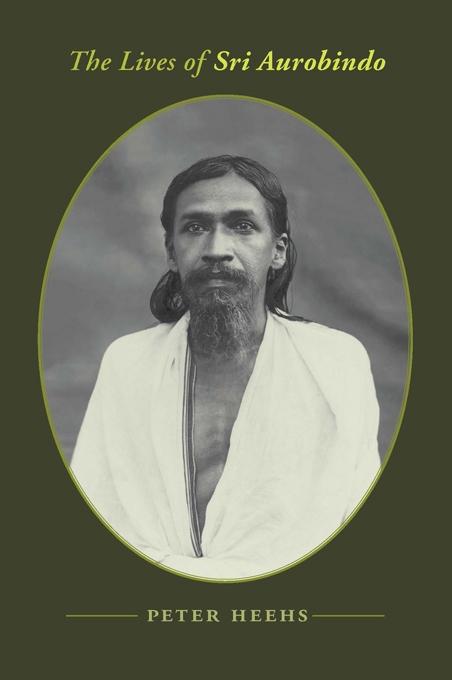
Since his death in 1950, Sri Aurobindo Ghose has been known primarily as a yogi and a philosopher of spiritual evolution who was nominated for the Nobel Prize in peace and literature. But the years Aurobindo spent in yogic retirement were preceded by nearly four decades of rich public and intellectual work. Biographers usually focus solely on Aurobindo's life as a politician or sage, but he was also a scholar, a revolutionary, a poet, a philosopher, a social and cultural theorist, and the inspiration for an experiment in communal living.
Peter Heehs, one of the founders of the Sri Aurobindo Ashram Archives, is the first to relate all the aspects of Aurobindo's life in its entirety. Consulting rare primary sources, Heehs describes the leader's role in the freedom movement and in the framing of modern Indian spirituality. He examines the thinker's literary, cultural, and sociological writings and the Sanskrit, Bengali, English, and French literature that influenced them, and he finds the foundations of Aurobindo's yoga practice in his diaries and unpublished letters. Heehs's biography is a sensitive, honest portrait of a life that also provides surprising insights into twentieth-century Indian history.
Betal nemt med kort, Klarna, Apple Pay eller Google Pay. Ikke tilfreds? Du har altid 14 dages fortrydelsesret. Læs mere i vores vilkår. Har du spørgsmål, så send os en mail på hello@memmo.org.
Memmo gør det nemmere at studere – uanset hvor du er i verden. Hos os samler du dine kursusbøger og smarte studieværktøjer ét sted: resuméer, quizzer, podcasts og flashcards. Og så er der Ted, din studieven, der svarer på alt, du undrer dig over. Over 50 000 studerende studerer allerede her – bygget til at hjælpe dig med at lære hurtigere og stresse mindre.