
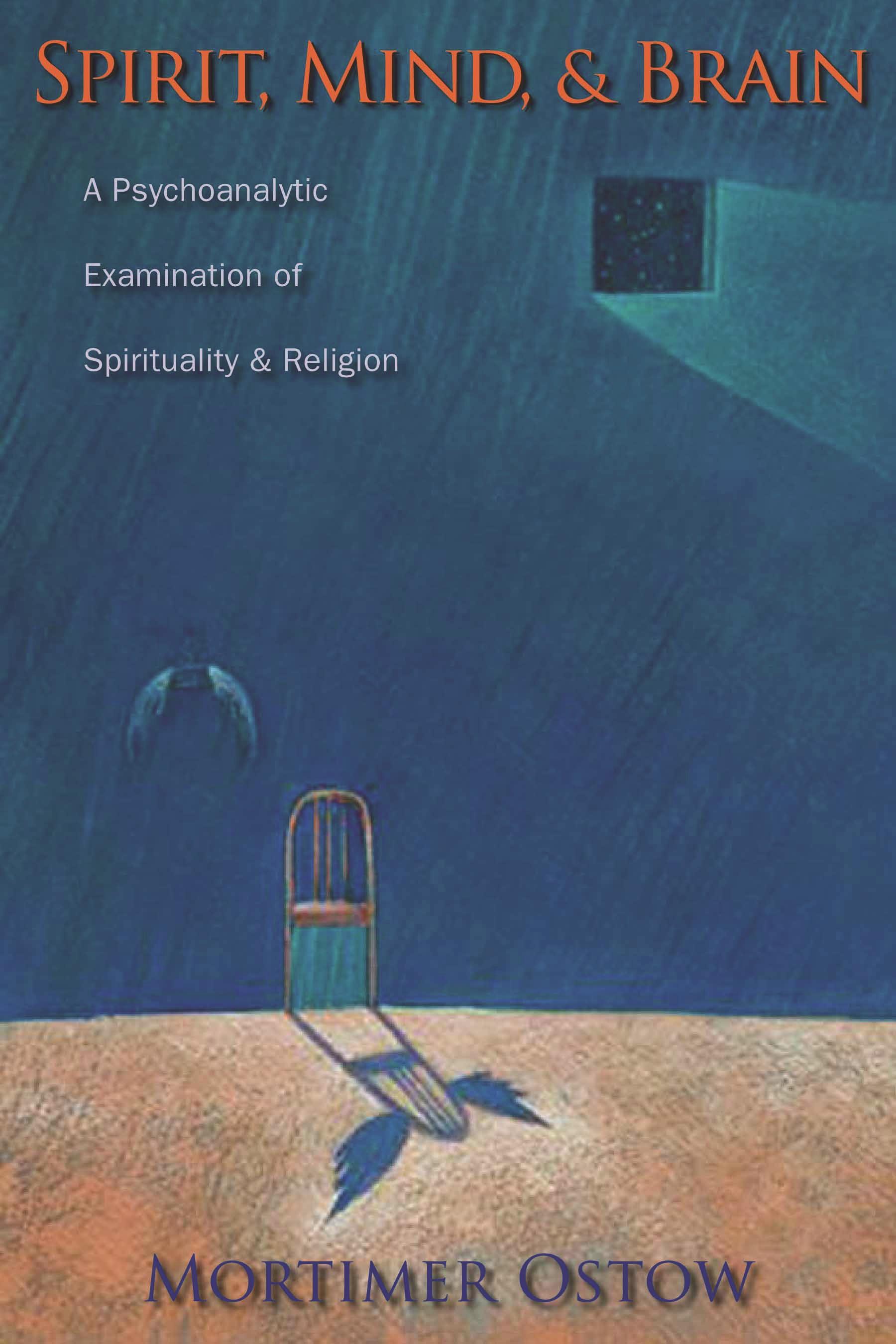
Preeminent psychoanalyst Mortimer Ostow believes that early childhood emotional attachments form the cognitive underpinnings of spiritual experience and religious motivation. His hypothesis, which is verifiable, relies on psychological and neurobiological evidence but is respectful of the human need for spiritual value.
Ostow begins by classifying the three parts of the spiritual experience: awe, Spirituality proper, and mysticism. After he pinpoints the psychological origins of these feelings in infancy, he discusses the foundations of religious sentiment and practice and the brain processes associated with spiritual experience. He then focuses on spirituality's relationship to mood regulation, and the role of negative spirituality in fostering religious fundamentalism and demonic possession.
Ostow concludes with an analysis of an essay by the psychoanalyst Donald M. Marcus, who recounts his own spiritual experience during a Native American-style "vision quest" in the woods. Marcus's account demonstrates the constructive potential of spirituality and the way in which spirituality retrieves and recapitulates feelings of attachment to the mother.
Persuasively and brilliantly argued, Spirit, Mind, and Brain brings the disciplines of religion, behavorial neuroscience, and philosophy to bear on a groundbreaking new method for understanding religious ritual and belief.
Betal nemt med kort, Klarna, Apple Pay eller Google Pay. Ikke tilfreds? Du har altid 14 dages fortrydelsesret. Læs mere i vores vilkår. Har du spørgsmål, så send os en mail på hello@memmo.org.
Memmo gør det nemmere at studere – uanset hvor du er i verden. Hos os samler du dine kursusbøger og smarte studieværktøjer ét sted: resuméer, quizzer, podcasts og flashcards. Og så er der Ted, din studieven, der svarer på alt, du undrer dig over. Over 50 000 studerende studerer allerede her – bygget til at hjælpe dig med at lære hurtigere og stresse mindre.