
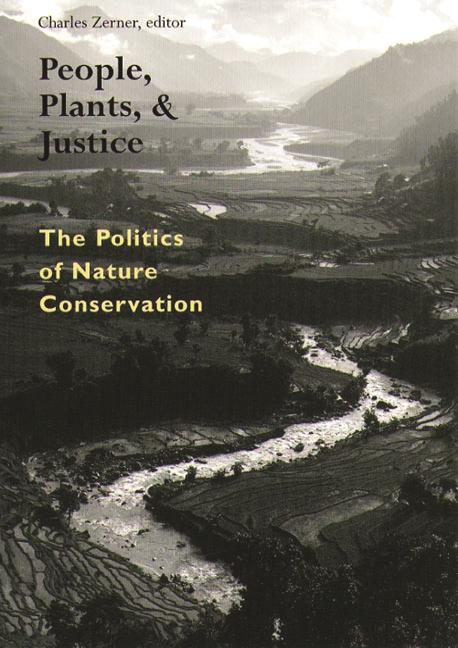
In an era of market triumphalism, this book probes the social and environmental consequences of market-linked nature conservation schemes. Rather than supporting a new anti-market orthodoxy, Charles Zerner and colleagues assert that there is no universal entity, "the market." Analysis and remedies must be based on broader considerations of history, culture, and geography in order to establish meaningful and lasting changes in policy and practice.
Original case studies from Asia, Latin America, Africa, and the South Pacific focus on topics as diverse as ecotourism, bioprospecting, oil extraction, cyanide fishing, timber extraction, and property rights. The cases position concerns about biodiversity conservation and resource management within social justice and legal perspectives, providing new insights for students, scholars, policy professionals and donor/foundations engaged in international conservation and social justice.
Betal nemt med kort, Klarna, Apple Pay eller Google Pay. Ikke tilfreds? Du har altid 14 dages fortrydelsesret. Læs mere i vores vilkår. Har du spørgsmål, så send os en mail på hello@memmo.org.
Memmo gør det nemmere at studere – uanset hvor du er i verden. Hos os samler du dine kursusbøger og smarte studieværktøjer ét sted: resuméer, quizzer, podcasts og flashcards. Og så er der Ted, din studieven, der svarer på alt, du undrer dig over. Over 50 000 studerende studerer allerede her – bygget til at hjælpe dig med at lære hurtigere og stresse mindre.