
Zanim poznałem Memmo, moje notatki były rozrzucone po PDF-ach. Teraz obszar roboczy zbiera wszystko w jednym miejscu — widzę dokładnie, co jeszcze muszę powtórzyć.
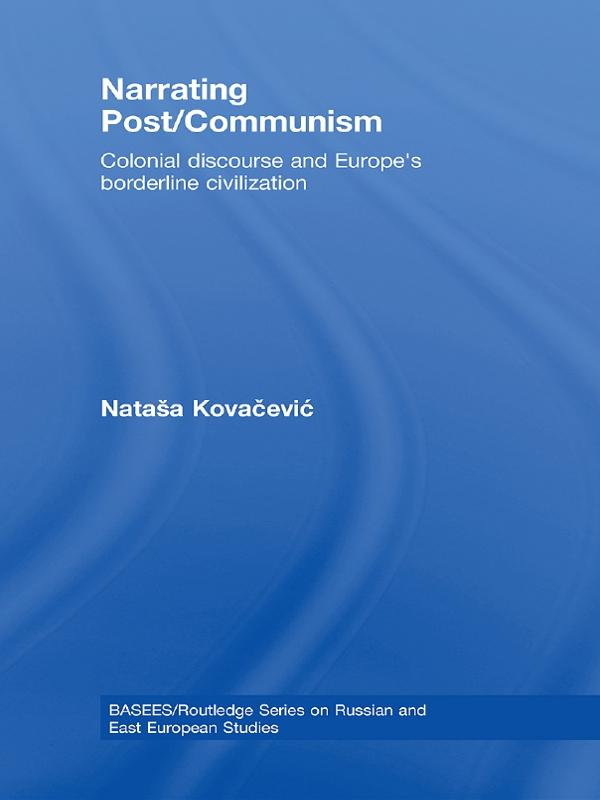
The transition of communist Eastern Europe to capitalist democracy post-1989 and in the aftermath of the Yugoslav wars has focused much scholarly attention - in history, political science and literature - on the fostering of new identities across Eastern European countries in the absence of the old communist social and ideological frameworks. This book examines an important, but hitherto largely neglected, part of this story: the ways in which the West has defined its own identity and ideals via the demonization of communist regimes and Eastern European cultures as a totalitarian, barbarian and Orientalist "other". It describes how old Orientalist prejudices resurfaced during the Cold War period, and argues that the establishment of this discourse helped to justify transitions of Eastern European societies to market capitalism and liberal democracy, suppressing Eastern Europe’s communist histories and legacies, whilst perpetuating its dependence on the West as a source of its own sense of identity. It argues that this process of Orientalization was reinforced by the literary narratives of Eastern European and Russian anti-communist dissidents and exiles, including Vladimir Nabokov, Czeslaw Milosz and Milan Kundera, in their attempts to present themselves as native, Eastern European experts and also emancipate themselves – and their homelands – as civilized, enlightened and Westernized. It goes on to suggest that the greatest potential for recognizing and overcoming this self-Orientalization lies in post-communist literary and visual narratives, with their themes of disappointment in the social, economic, or political changes brought on by the transitions, challenge of the unequal discursive power in East-West dialogues where the East is positioned as a disciple or a mimic of the West, and the various guises of nostalgia for communism.
Zanim poznałem Memmo, moje notatki były rozrzucone po PDF-ach. Teraz obszar roboczy zbiera wszystko w jednym miejscu — widzę dokładnie, co jeszcze muszę powtórzyć.
Podsumowania Memmo to złoto przed egzaminami. Nie muszę czytać 800 stron dwa tygodnie wcześniej — tylko to, co najważniejsze.
Czat AI uratował mnie niejeden raz w noc przed egzaminem. Pytam, dopóki nie zrozumiem — i nie muszę czekać na odpowiedź od grupy studyjnej.
Quizy trafiają w punkt, jeśli chodzi o to, co muszę wiedzieć. Memmo śledzi, na czym się zacinam — więc ćwiczę tylko to, co naprawdę się liczy.
Fiszki z powtórkami rozłożonymi w czasie to magia. Memmo wie, kiedy mam coś zapomnieć i przypomina mi o tym.
Podcasty AI to mój faworyt. Słucham w drodze do szkoły i powtarzam materiał, nie siedząc przed komputerem.

Handbok i kvalitativa metoder
281 kr

Hållbar utveckling: en introduktion för ingenjörer och andra problemlösare
334 kr

Brymans Samhällsvetenskapliga metoder
390 kr

Projektledning
491 kr

Den orättvisa hälsan: om socioekonomiska skillnader i hälsa och livslängd
326 kr

Organizational Leadership
429 kr

Vetenskapsteori för nybörjare
196 kr

På väg mot läraryrket
172 kr

Det sociala livet i skolan: Socialpsykologiska perspektiv
253 kr

Betygsättningens didaktik
151 kr

Personality
402 kr

Studying Leadership
404 kr

Managing Innovation
477 kr

Introduktion till samhällsvetenskaplig metod
347 kr

The Psychology of Sex and Gender
698 kr

Introduction to Leadership
605 kr

Evidens och kunskap för socialt arbete
207 kr