
Zanim poznałem Memmo, moje notatki były rozrzucone po PDF-ach. Teraz obszar roboczy zbiera wszystko w jednym miejscu — widzę dokładnie, co jeszcze muszę powtórzyć.
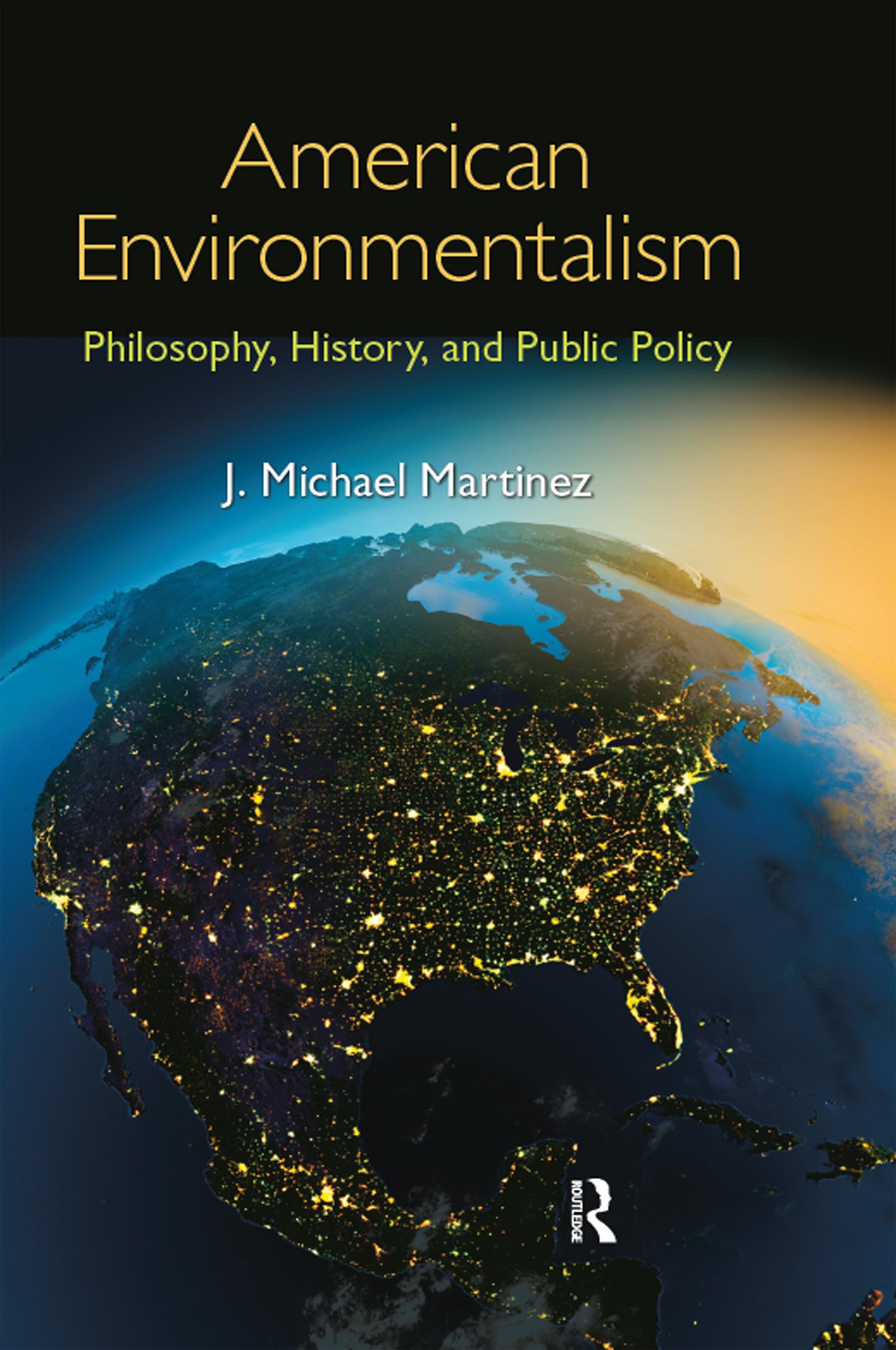
Protecting the natural environment and promoting sustainability have become important objectives, but achieving such goals presents myriad challenges for even the most committed environmentalist. American Environmentalism: Philosophy, History, and Public Policy examines whether competing interests can be reconciled while developing consistent, coherent, effective public policy to regulate uses and protection of the natural environment without destroying the national economy. It then reviews a range of possible solutions.
The book delves into key normative concepts that undergird American perspectives on nature by providing an overview of philosophical concepts found in the western intellectual tradition, the presuppositions inherent in neoclassical economics, and anthropocentric (human-centered) and biocentric (earth-centered) positions on sustainability. It traces the evolution of attitudes about nature from the time of the Ancient Greeks through Europeans in the Middle Ages and the Renaissance, the Enlightenment and the American Founders, the nineteenth and twentieth centuries, and up to the present. Building on this foundation, the author examines the political landscape as non-governmental organizations (NGOs), industry leaders, and government officials struggle to balance industrial development with environmental concerns.
Outrageous claims, silly misrepresentations, bogus arguments, absurd contentions, and overblown prophesies of impending calamities are bandied about by many parties on all sides of the debate—industry spokespeople, elected representatives, unelected regulators, concerned citizens, and environmental NGOs alike. In lieu of descending into this morass, the author circumvents the silliness to explore the crucial issues through a more focused, disciplined approach. Rather than engage in acrimonious debate over minutiae, as so often occurs in the context of green claims, he recasts the issue in a way that provides a cohesive look at all sides. This effort may be quixotic, but how else to cut the Gordian knot?
Zanim poznałem Memmo, moje notatki były rozrzucone po PDF-ach. Teraz obszar roboczy zbiera wszystko w jednym miejscu — widzę dokładnie, co jeszcze muszę powtórzyć.
Podsumowania Memmo to złoto przed egzaminami. Nie muszę czytać 800 stron dwa tygodnie wcześniej — tylko to, co najważniejsze.
Czat AI uratował mnie niejeden raz w noc przed egzaminem. Pytam, dopóki nie zrozumiem — i nie muszę czekać na odpowiedź od grupy studyjnej.
Quizy trafiają w punkt, jeśli chodzi o to, co muszę wiedzieć. Memmo śledzi, na czym się zacinam — więc ćwiczę tylko to, co naprawdę się liczy.
Fiszki z powtórkami rozłożonymi w czasie to magia. Memmo wie, kiedy mam coś zapomnieć i przypomina mi o tym.
Podcasty AI to mój faworyt. Słucham w drodze do szkoły i powtarzam materiał, nie siedząc przed komputerem.

Handbok i kvalitativa metoder
281 kr

Hållbar utveckling: en introduktion för ingenjörer och andra problemlösare
334 kr

Brymans Samhällsvetenskapliga metoder
390 kr

Projektledning
491 kr

Den orättvisa hälsan: om socioekonomiska skillnader i hälsa och livslängd
326 kr

Organizational Leadership
429 kr

Vetenskapsteori för nybörjare
196 kr

På väg mot läraryrket
172 kr

Det sociala livet i skolan: Socialpsykologiska perspektiv
253 kr

Betygsättningens didaktik
151 kr

Personality
402 kr

Studying Leadership
404 kr

Managing Innovation
477 kr

Introduktion till samhällsvetenskaplig metod
347 kr

The Psychology of Sex and Gender
698 kr

Introduction to Leadership
605 kr

Evidens och kunskap för socialt arbete
207 kr