
Før Memmo var notatene mine spredt overalt i PDF-er. Nå samler et arbeidsområde alt på ett sted – jeg ser akkurat hva som gjenstår å studere.
From the 1960s onwards, Japan’s rapid economic growth coincided with remarkably smooth transitions from school to work and with internationally low levels of youth unemployment. However, this changed dramatically in the 1990s, and by the 2000s, youth employment came to be recognized as a serious concern requiring an immediate response. What shape did this response take?
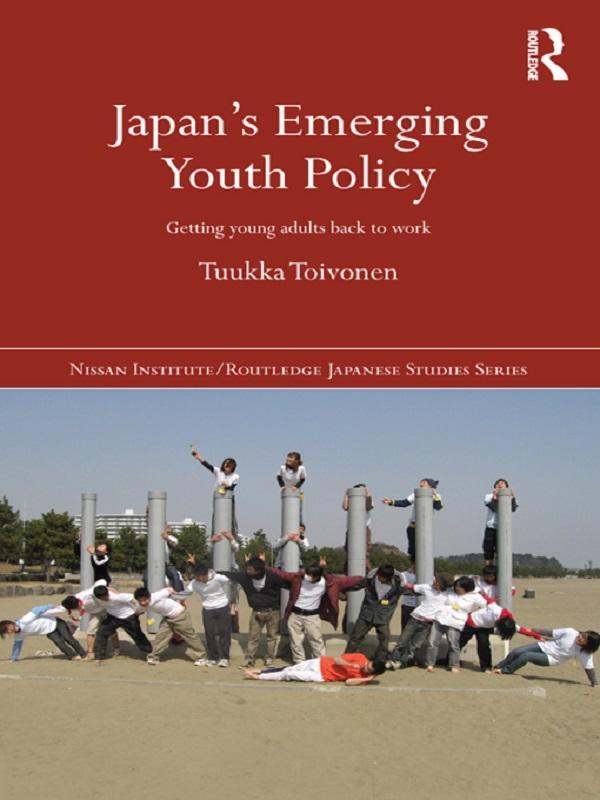
Japan’s Emerging Youth Policy is the first book to investigate in detail how the state, experts, the media as well as youth workers have reacted to the troubling rise of youth joblessness in early 21st century Japan. The answer that emerges is as complex as it is fascinating, but comprises two essential elements. First, instead of institutional ‘carrots and sticks’ as seen in Europe, actors belonging to mainstream Japan have deployed controversial labels such as NEET (‘Not in Education, Employment or Training’) to steer inactive youth into low-wage jobs. A second approach has been crafted by entrepreneurial youth support leaders that builds on what the author refers to as ‘communities of recognition’. As illustrated in this book using evidence from real sites of youth support, one such methodology consists of ‘exploring the user’ (i.e. the support-receiver) whereby complex disadvantages, family relationships and local employment contexts are skilfully negotiated. It is this second dimension in Japan’s response to youth exclusion that suggests sustainable, internationally attractive solutions to the employment dilemmas that virtually all post-industrial nations currently face but which none have yet seriously addressed.
Based on extensive fieldwork that draws on both sociological and policy science approaches, this book will be welcomed by students, scholars and practitioners in the fields of Japanese and East Asian studies, comparative social policy, youth sociology, the sociology of social problems and social work.
Før Memmo var notatene mine spredt overalt i PDF-er. Nå samler et arbeidsområde alt på ett sted – jeg ser akkurat hva som gjenstår å studere.
Memmos sammendrag er gull før eksamen. Jeg slipper å lese 800 sider to uker før – bare det viktigste.
AI-chatten har reddet meg kvelden før eksamen mer enn én gang. Jeg bare spør til jeg forstår – slipper å vente på svar i en studiegruppe.
Quizene treffer akkurat det jeg trenger å vite. Memmo holder styr på hva jeg sliter med – så jeg øver bare på det som er verdt det.
Flashcards med repetisjon over tid er magi. Memmo vet når jeg er i ferd med å glemme noe og viser det igjen.
AI-podkastene er min favoritt. Jeg lytter på vei til skolen og får en repetisjon uten å sitte foran en datamaskin.

Handbok i kvalitativa metoder
281 kr

Hållbar utveckling: en introduktion för ingenjörer och andra problemlösare
334 kr

Brymans Samhällsvetenskapliga metoder
390 kr

Projektledning
491 kr

Den orättvisa hälsan: om socioekonomiska skillnader i hälsa och livslängd
326 kr

Organizational Leadership
429 kr

Vetenskapsteori för nybörjare
196 kr

På väg mot läraryrket
172 kr

Det sociala livet i skolan: Socialpsykologiska perspektiv
253 kr

Betygsättningens didaktik
151 kr

Personality
402 kr

Studying Leadership
404 kr

Managing Innovation
477 kr

Introduktion till samhällsvetenskaplig metod
347 kr

The Psychology of Sex and Gender
698 kr

Introduction to Leadership
605 kr

Evidens och kunskap för socialt arbete
207 kr