
Vor Memmo waren meine Notizen überall in PDFs verstreut. Jetzt sammelt ein Arbeitsbereich alles an einem Ort – ich sehe genau, was noch zu lernen ist.
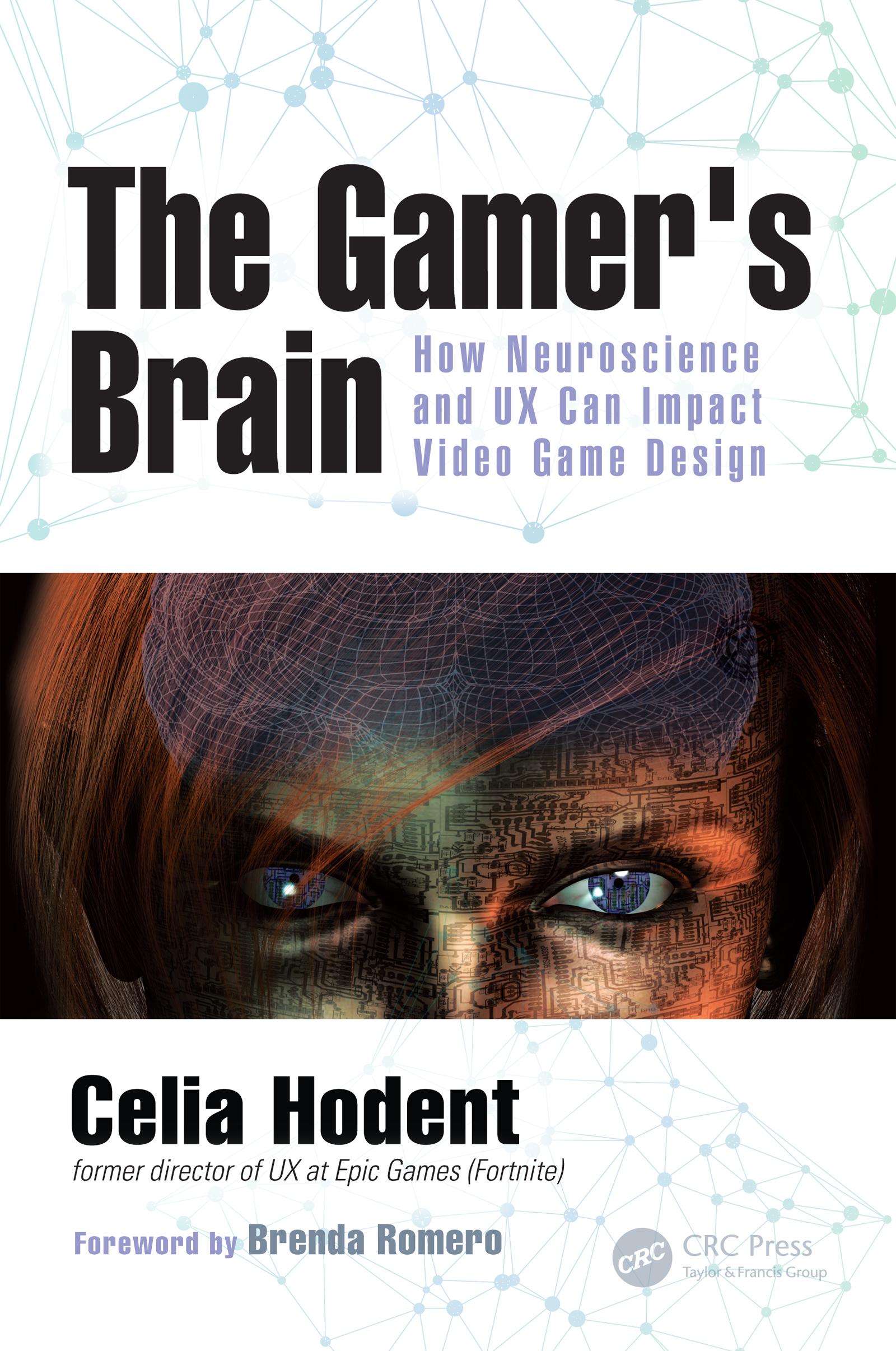
Making a successful video game is hard. Even games that are well-received at launch may fail to engage players in the long term due to issues with the user experience (UX) that they are delivering. That’s why makers of successful video games like Fortnite and Assassin’s Creed invest both time and money perfecting their UX strategy. These top video game creators know that a bad user experience can ruin the prospects for any game, regardless of its budget, scope, or ambition.
The game UX accounts for the whole experience players have with a video game, from first hearing about it to navigating menus and progressing in the game. UX as a discipline offers guidelines to assist developers in creating the optimal experience they want to deliver, including shipping higher quality games (whether indie, triple-A or "serious" games) and meeting business goals -- all while staying true to design vision and artistic intent.
At its core, UX is about understanding the gamer’s brain: understanding human capabilities and limitations to anticipate how a game will be perceived, the emotions it will elicit, how players will interact with it, and how engaging the experience will be. This book is designed to equip readers of all levels, from student to professional, with cognitive science knowledge and user experience guidelines and methodologies. These insights will help readers identify the ingredients for successful and engaging video games, empowering them to develop their own unique game recipe more efficiently, while providing a better experience for their audience.
"The Gamer's Brain: How Neuroscience and UX Can Impact Video Game Design"
Is written by Celia Hodent -- a UX expert with a PhD in psychology who has been working in the entertainment industry for over 10 years, including at prominent companies such as Epic Games (Fortnite), Ubisoft, and LucasArts.
Major themes explored in this book:
Vor Memmo waren meine Notizen überall in PDFs verstreut. Jetzt sammelt ein Arbeitsbereich alles an einem Ort – ich sehe genau, was noch zu lernen ist.
Memmos Zusammenfassungen sind Gold wert vor Prüfungen. Ich muss nicht zwei Wochen vorher 800 Seiten neu lesen – nur die wichtigsten Teile.
Der KI-Chat hat mich schon mehr als einmal am Abend vor einer Prüfung gerettet. Ich frage einfach so lange, bis ich es kapiere – ohne auf eine Antwort in einer Lerngruppe warten zu müssen.
Die Quizzes treffen genau das, was ich wissen muss. Memmo merkt sich, wo ich Schwierigkeiten habe – so übe ich nur das, was sich lohnt.
Lernkarten mit Spaced Repetition sind Magie. Memmo weiß, wann ich etwas vergessen könnte und zeigt es mir wieder.
Die KI-Podcasts sind mein Favorit. Ich höre sie auf dem Weg zur Uni und bekomme eine Wiederholung, ohne am Computer sitzen zu müssen.

Handbok i kvalitativa metoder
281 kr

Hållbar utveckling: en introduktion för ingenjörer och andra problemlösare
334 kr

Brymans Samhällsvetenskapliga metoder
390 kr

Projektledning
491 kr

Den orättvisa hälsan: om socioekonomiska skillnader i hälsa och livslängd
326 kr

Organizational Leadership
429 kr

Vetenskapsteori för nybörjare
196 kr

På väg mot läraryrket
172 kr

Det sociala livet i skolan: Socialpsykologiska perspektiv
253 kr

Betygsättningens didaktik
151 kr

Personality
402 kr

Studying Leadership
404 kr

Managing Innovation
477 kr

Introduktion till samhällsvetenskaplig metod
347 kr

The Psychology of Sex and Gender
698 kr

Introduction to Leadership
605 kr

Evidens och kunskap för socialt arbete
207 kr