
Vor Memmo waren meine Notizen überall in PDFs verstreut. Jetzt sammelt ein Arbeitsbereich alles an einem Ort – ich sehe genau, was noch zu lernen ist.
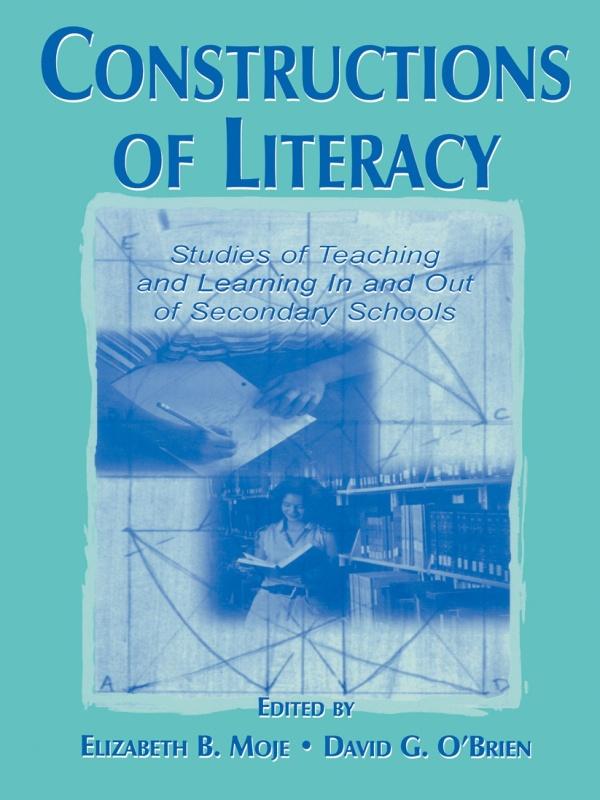
Constructions of Literacy explores and represents, through a series of cases and commentaries, how and why secondary school teachers and students use literacy in formal and informal learning settings. As used in the context of this book, secondary literacy refers to speaking, listening, reading, writing, and performing. It also refers to how these processes or events are constructed, negotiated, and used for specific purposes by teachers and students as they engage in various classroom, school, and community practices and interactions.
The authors operate from a stance that literacy is socially, culturally, and historically constructed. They recognize that there are many different perspectives on how that construction occurs--some arguing for institutional and structural influences--others suggesting that people have some degree of agency within the constraints imposed by larger structures. A distinguishing feature of the volume is that the contributors explore and make explicit differing perspectives on literacy as a social construction.
The volume is built around case studies of secondary school teachers' and students' literacy practices inside and outside of schools. The cases include diverse (critical, cultural, feminist, interpretive, phenomenological, and postmodern) theoretical and epistemological perspectives and research methodologies, making this one of the first collections of studies in secondary content area classrooms conducted from multiple perspectives. It concludes with two Commentaries, one by Donna Alvermann and one by David Bloome, in which they discuss and critique the contributions made from the different perspectives and grapple with how they simultaneously illuminate and confuse issues in literacy theory, research, and practice.
Preservice and in-service teachers, school professionals, and researchers in literacy education, secondary education, and curriculum theory will find this book stimulating and informative. It will help them analyze the complexities of secondary literacy teaching and learning, and examine their own understandings of literacy within their own literacy contexts.
Vor Memmo waren meine Notizen überall in PDFs verstreut. Jetzt sammelt ein Arbeitsbereich alles an einem Ort – ich sehe genau, was noch zu lernen ist.
Memmos Zusammenfassungen sind Gold wert vor Prüfungen. Ich muss nicht zwei Wochen vorher 800 Seiten neu lesen – nur die wichtigsten Teile.
Der KI-Chat hat mich schon mehr als einmal am Abend vor einer Prüfung gerettet. Ich frage einfach so lange, bis ich es kapiere – ohne auf eine Antwort in einer Lerngruppe warten zu müssen.
Die Quizzes treffen genau das, was ich wissen muss. Memmo merkt sich, wo ich Schwierigkeiten habe – so übe ich nur das, was sich lohnt.
Lernkarten mit Spaced Repetition sind Magie. Memmo weiß, wann ich etwas vergessen könnte und zeigt es mir wieder.
Die KI-Podcasts sind mein Favorit. Ich höre sie auf dem Weg zur Uni und bekomme eine Wiederholung, ohne am Computer sitzen zu müssen.

Handbok i kvalitativa metoder
281 kr

Hållbar utveckling: en introduktion för ingenjörer och andra problemlösare
334 kr

Brymans Samhällsvetenskapliga metoder
390 kr

Projektledning
491 kr

Den orättvisa hälsan: om socioekonomiska skillnader i hälsa och livslängd
326 kr

Organizational Leadership
429 kr

Vetenskapsteori för nybörjare
196 kr

På väg mot läraryrket
172 kr

Det sociala livet i skolan: Socialpsykologiska perspektiv
253 kr

Betygsättningens didaktik
151 kr

Personality
402 kr

Studying Leadership
404 kr

Managing Innovation
477 kr

Introduktion till samhällsvetenskaplig metod
347 kr

The Psychology of Sex and Gender
698 kr

Introduction to Leadership
605 kr

Evidens och kunskap för socialt arbete
207 kr