
Vor Memmo waren meine Notizen überall in PDFs verstreut. Jetzt sammelt ein Arbeitsbereich alles an einem Ort – ich sehe genau, was noch zu lernen ist.
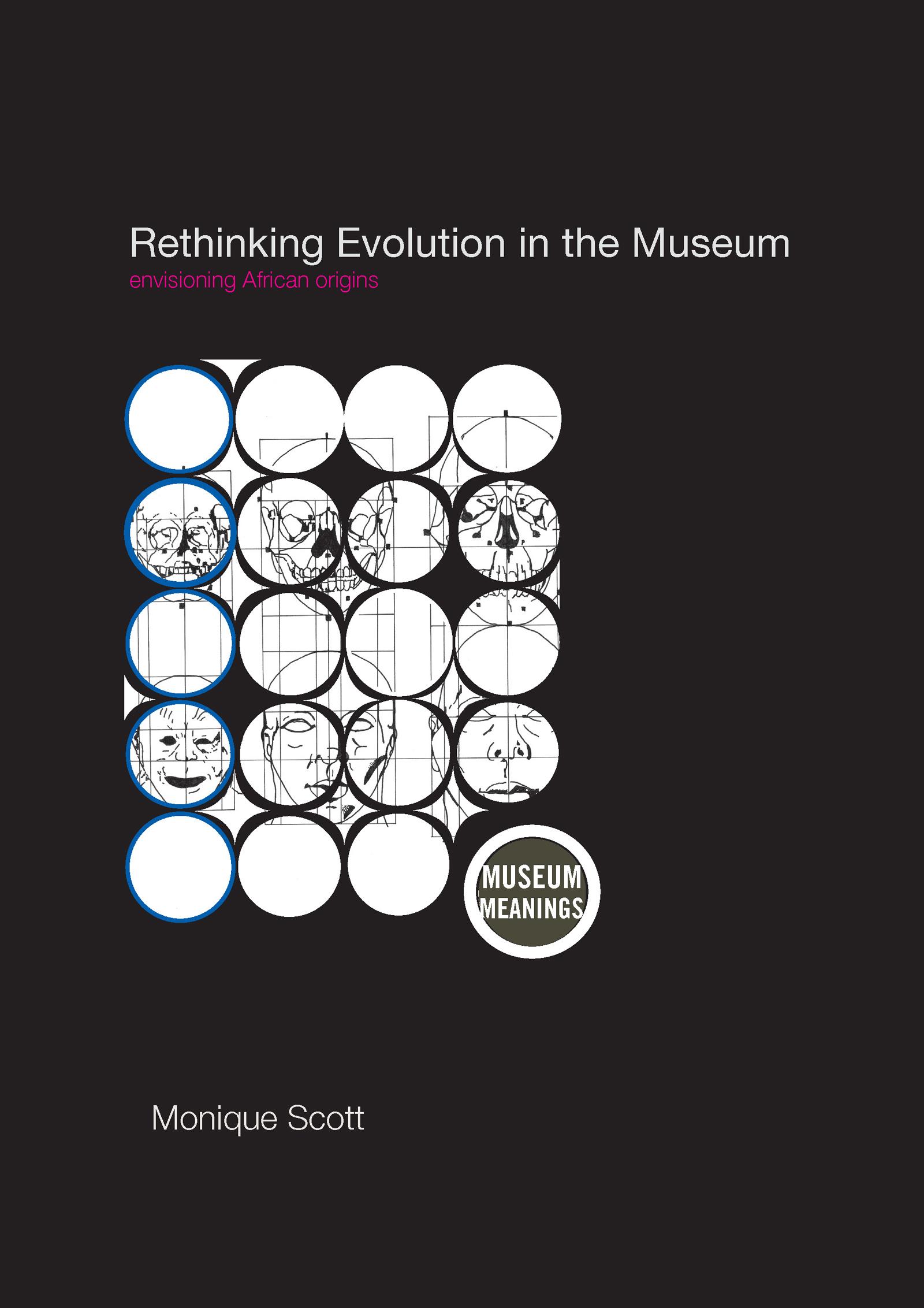
Rethinking Evolution in the Museum explores the ways diverse natural history museum audiences imagine their evolutionary heritage. In particular, the book considers how the meanings constructed by audiences of museum exhibitions are a product of dynamic interplay between museum iconography and powerful images museum visitors bring with them to the museum. In doing so, the book illustrates how the preconceived images held by museum audiences about anthropology, Africa, and the museum itself strongly impact the human origins exhibition experience.
Although museological theory has come increasingly to recognize that museum audiences ‘make meaning’ in exhibitions, or make their own complex interpretations of museum exhibitions, few scholars have explicitly asked how. Rethinking Evolution in the Museum, however, provides a rare window into visitor perceptions at four world-class museums—the Natural History Museum and Horniman Museum in London, the National Museums of Kenya in Nairobi and the American Museum of Natural History in New York. Through rigorous and novel mixed methods (quantitative and qualitative) covering nearly 500 museum visitors, this innovative study shows that audiences of human origins exhibitions interpret evolution exhibitions through a profoundly complex convergence of personal, political, intellectual, emotional and cultural interpretive strategies.
This book also reveals that natural history museum visitors often respond to museum exhibitions similarly because they use common cultural tools picked up from globalized popular media circulating outside of the museum. One tool of particular interest is the notion that human evolution has proceeded linearly from a bestial African prehistory to a civilized European present. Despite critical growths in anthropological science and museum displays, the outdated Victorian progress motif lingers persistently in popular media and the popular imagination. Rethinking Evolution in the Museum sheds light on our relationship with natural history museums and will be crucial to those people interested in understanding the connection between the visitor, the museum and media culture outside of the museum context.
Vor Memmo waren meine Notizen überall in PDFs verstreut. Jetzt sammelt ein Arbeitsbereich alles an einem Ort – ich sehe genau, was noch zu lernen ist.
Memmos Zusammenfassungen sind Gold wert vor Prüfungen. Ich muss nicht zwei Wochen vorher 800 Seiten neu lesen – nur die wichtigsten Teile.
Der KI-Chat hat mich schon mehr als einmal am Abend vor einer Prüfung gerettet. Ich frage einfach so lange, bis ich es kapiere – ohne auf eine Antwort in einer Lerngruppe warten zu müssen.
Die Quizzes treffen genau das, was ich wissen muss. Memmo merkt sich, wo ich Schwierigkeiten habe – so übe ich nur das, was sich lohnt.
Lernkarten mit Spaced Repetition sind Magie. Memmo weiß, wann ich etwas vergessen könnte und zeigt es mir wieder.
Die KI-Podcasts sind mein Favorit. Ich höre sie auf dem Weg zur Uni und bekomme eine Wiederholung, ohne am Computer sitzen zu müssen.

Handbok i kvalitativa metoder
281 kr

Hållbar utveckling: en introduktion för ingenjörer och andra problemlösare
334 kr

Brymans Samhällsvetenskapliga metoder
390 kr

Projektledning
491 kr

Den orättvisa hälsan: om socioekonomiska skillnader i hälsa och livslängd
326 kr

Organizational Leadership
429 kr

Vetenskapsteori för nybörjare
196 kr

På väg mot läraryrket
172 kr

Det sociala livet i skolan: Socialpsykologiska perspektiv
253 kr

Betygsättningens didaktik
151 kr

Personality
402 kr

Studying Leadership
404 kr

Managing Innovation
477 kr

Introduktion till samhällsvetenskaplig metod
347 kr

The Psychology of Sex and Gender
698 kr

Introduction to Leadership
605 kr

Evidens och kunskap för socialt arbete
207 kr