
Vor Memmo waren meine Notizen überall in PDFs verstreut. Jetzt sammelt ein Arbeitsbereich alles an einem Ort – ich sehe genau, was noch zu lernen ist.
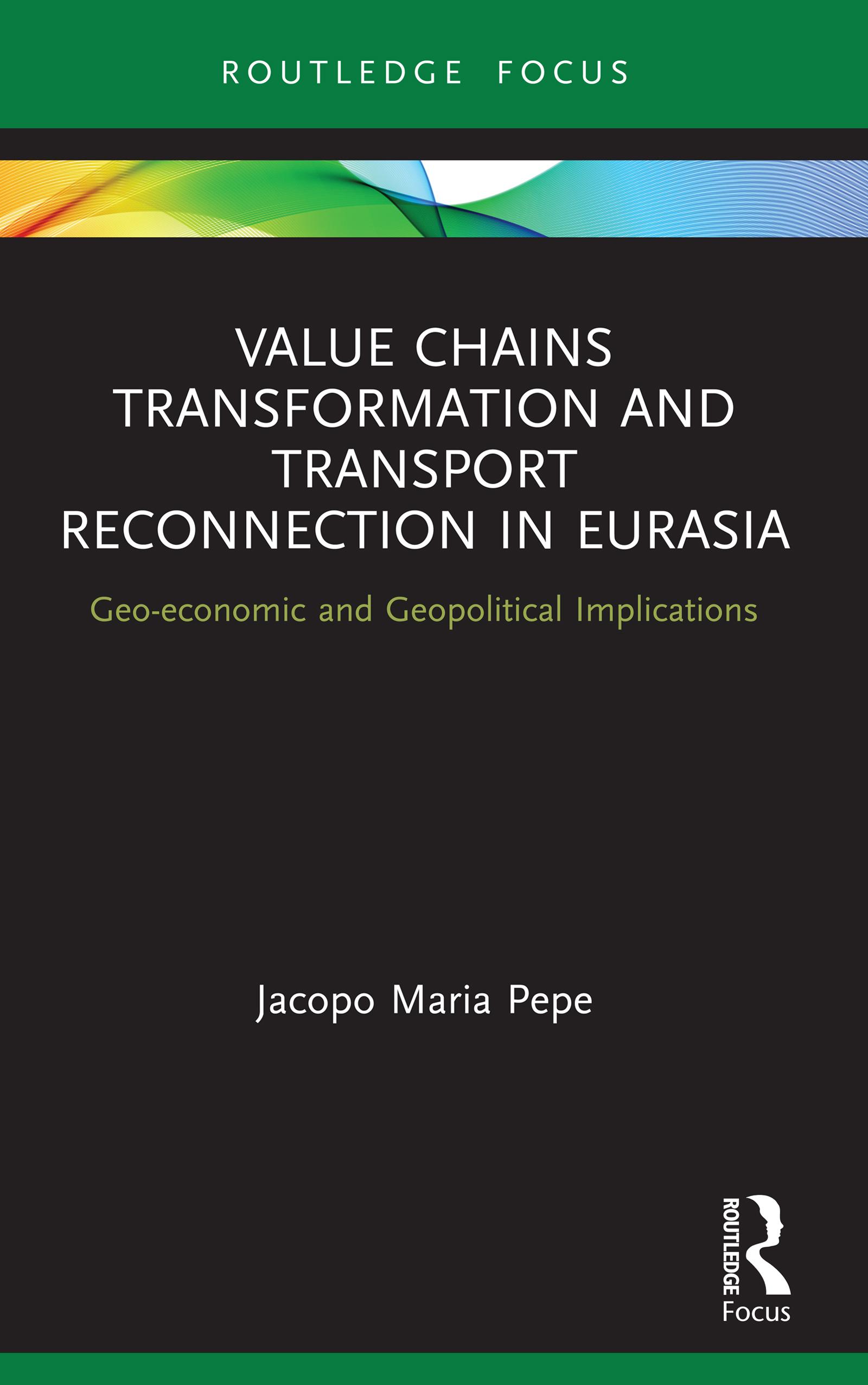
This book focuses on the geo-economic and geopolitical impact of value chains transformation on the transport-logistic reintegration of continental Eurasian countries, with a specific focus on the members of the Eurasian Economic Union.
The author assesses the potential impact of current trends (global value chains fragmentation and decoupling) on Eurasian transport integration. The book combines in-depth analysis of the evolution of value chains and transport-logistics corridors across Eurasia with a geopolitical assessment of its implications for the EAEU’s members’ foreign and economic policy orientation. The author explores three key arguments: (1) the key to a successful and sustainable integration of the transport space of continental Eurasia is less the ongoing expansion of transcontinental transit, and more the participation in intraregional and transregional cross-border value chains, even though this process is increasingly tied to the question of the geopolitical and geo-economic orientation of continental Eurasia; (2) even in a more regionalised world economy, the economic complementarities between continental Eurasia and the two manufacturing blocks at the edges of the supercontinent, Europe and Asia, represent the greatest chance for continental Eurasia for larger participation in high value-added value chains; and (3) without diversifying trade and financial ties across Asia and normalising relations with the EU, the combined effect of shifting value chains location across the continent and China’s ambiguous and flexible transport politics might turn an unprecedented chance into risk, augmenting competition among and within countries which are members of the EAEU over traffic volume, FDI, value chain participation, and ultimately geopolitical and geo-economic dividends.
This book will be of interest to scholars and students of IR Theory, IPE, Geopolitics and Regional Studies, as well as the related subfields of transport geography, economic geography, and logistics.
Vor Memmo waren meine Notizen überall in PDFs verstreut. Jetzt sammelt ein Arbeitsbereich alles an einem Ort – ich sehe genau, was noch zu lernen ist.
Memmos Zusammenfassungen sind Gold wert vor Prüfungen. Ich muss nicht zwei Wochen vorher 800 Seiten neu lesen – nur die wichtigsten Teile.
Der KI-Chat hat mich schon mehr als einmal am Abend vor einer Prüfung gerettet. Ich frage einfach so lange, bis ich es kapiere – ohne auf eine Antwort in einer Lerngruppe warten zu müssen.
Die Quizzes treffen genau das, was ich wissen muss. Memmo merkt sich, wo ich Schwierigkeiten habe – so übe ich nur das, was sich lohnt.
Lernkarten mit Spaced Repetition sind Magie. Memmo weiß, wann ich etwas vergessen könnte und zeigt es mir wieder.
Die KI-Podcasts sind mein Favorit. Ich höre sie auf dem Weg zur Uni und bekomme eine Wiederholung, ohne am Computer sitzen zu müssen.

Handbok i kvalitativa metoder
281 kr

Hållbar utveckling: en introduktion för ingenjörer och andra problemlösare
334 kr

Brymans Samhällsvetenskapliga metoder
390 kr

Projektledning
491 kr

Den orättvisa hälsan: om socioekonomiska skillnader i hälsa och livslängd
326 kr

Organizational Leadership
429 kr

Vetenskapsteori för nybörjare
196 kr

På väg mot läraryrket
172 kr

Det sociala livet i skolan: Socialpsykologiska perspektiv
253 kr

Betygsättningens didaktik
151 kr

Personality
402 kr

Studying Leadership
404 kr

Managing Innovation
477 kr

Introduktion till samhällsvetenskaplig metod
347 kr

The Psychology of Sex and Gender
698 kr

Introduction to Leadership
605 kr

Evidens och kunskap för socialt arbete
207 kr