
Før Memmo var mine noter spredt ud over PDF'er. Nu samler et workspace alt ét sted – og jeg ser præcis, hvad der er tilbage at læse op på.
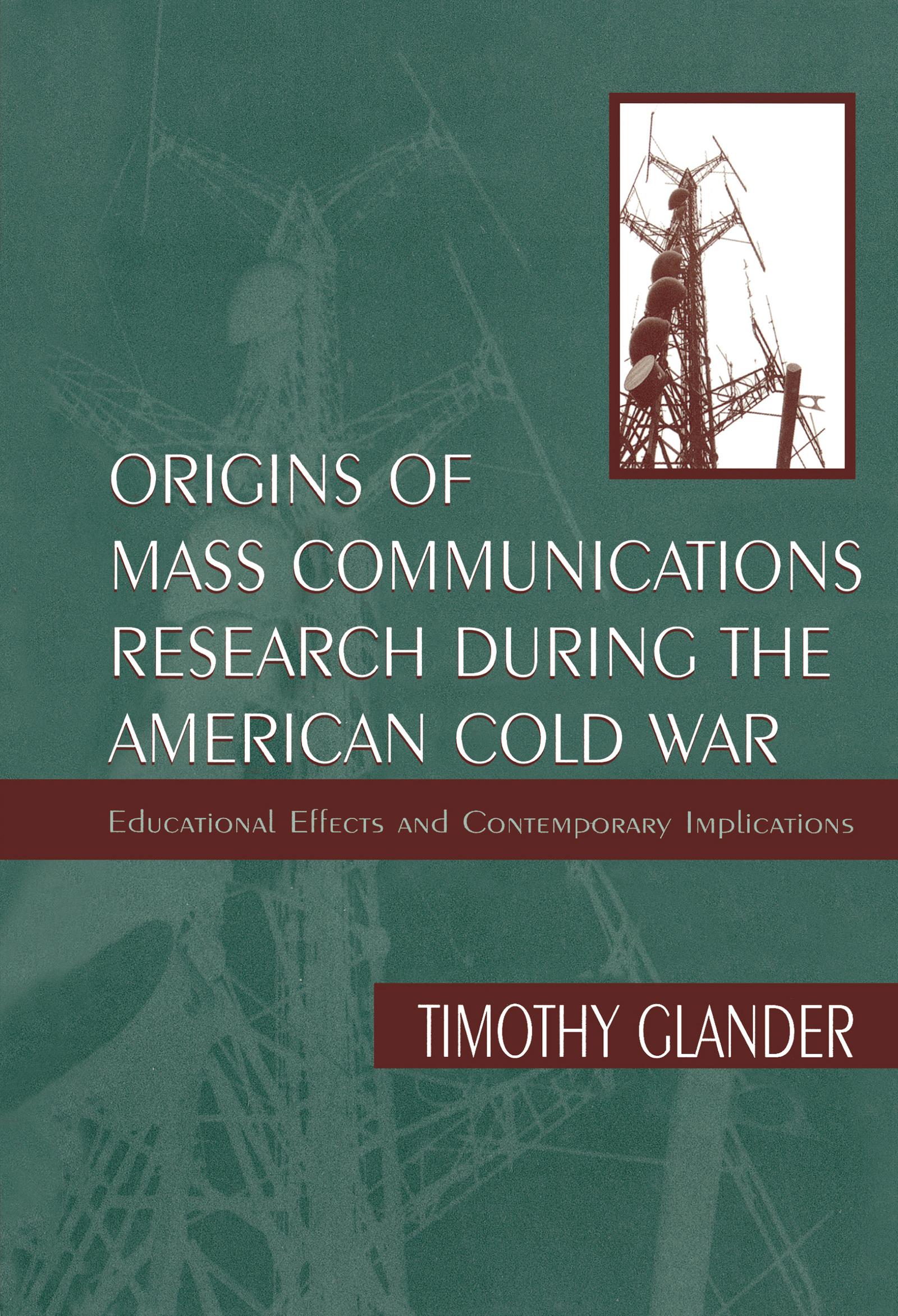
In this critical examination of the beginnings of mass communications research in the United States, written from the perspective of an educational historian, Timothy Glander uses archival materials that have not been widely studied to document, contextualize, and interpret the dominant expressions of this field during the time in which it became rooted in American academic life, and tries to give articulation to the larger historical forces that gave the field its fundamental purposes. By mid-century, mass communications researchers had become recognized as experts in describing the effects of the mass media on learning and other social behavior. However, the conditions that promoted and sustained their authority as experts have not been adequately explored. This study analyzes the ideological and historical forces giving rise to, and shaping, their research.
Until this study, the history of communications research has been written almost entirely from within the field of communications studies and, as a result, has tended to refrain from asking troubling foundational questions about the origins of the field or to entertain how its emergence shaped educational discourse during the post-World War II period. By examining the intersection between the individual biographies of key leaders in the communications field (Wilbur Schramm, Paul Lazarsfeld, Bernard Berelson, Hadley Cantril, Stuart Dodd, and others) and the larger historical context in which they lived and worked, this book aims to tell part of the story of how the field of communications became divorced from the field of education. The book also examines the work of significant voices on the rise of mass communications study (including C. Wright Mills, William W. Biddle, Paul Goodman, and others) who theorized about the emergence of a mass society. It concludes with a discussion of the contemporary relevance of the theory of a mass society to educational thought and practice.
Før Memmo var mine noter spredt ud over PDF'er. Nu samler et workspace alt ét sted – og jeg ser præcis, hvad der er tilbage at læse op på.
Memmos opsummeringer er guld inden eksamen. Jeg slipper for at genlæse 800 sider to uger før – kun de vigtigste dele.
AI-chatten har reddet mig aftenen før en eksamen mere end én gang. Jeg spørger, indtil jeg forstår det – og slipper for at vente på svar i en studiegruppe.
Quizzen rammer præcis det, jeg skal kunne. Memmo holder øje med, hvad jeg har svært ved – så jeg øver mig kun på det, der er det værd.
Flashcards med spaced repetition er magi. Memmo ved, når jeg er ved at glemme noget, og viser det igen.
AI-podcasts er min favorit. Jeg lytter på vej til skole og får en opsummering uden at sidde foran en computer.

Handbok i kvalitativa metoder
281 kr

Hållbar utveckling: en introduktion för ingenjörer och andra problemlösare
334 kr

Brymans Samhällsvetenskapliga metoder
390 kr

Projektledning
491 kr

Den orättvisa hälsan: om socioekonomiska skillnader i hälsa och livslängd
326 kr

Organizational Leadership
429 kr

Vetenskapsteori för nybörjare
196 kr

På väg mot läraryrket
172 kr

Det sociala livet i skolan: Socialpsykologiska perspektiv
253 kr

Betygsättningens didaktik
151 kr

Personality
402 kr

Studying Leadership
404 kr

Managing Innovation
477 kr

Introduktion till samhällsvetenskaplig metod
347 kr

The Psychology of Sex and Gender
698 kr

Introduction to Leadership
605 kr

Evidens och kunskap för socialt arbete
207 kr